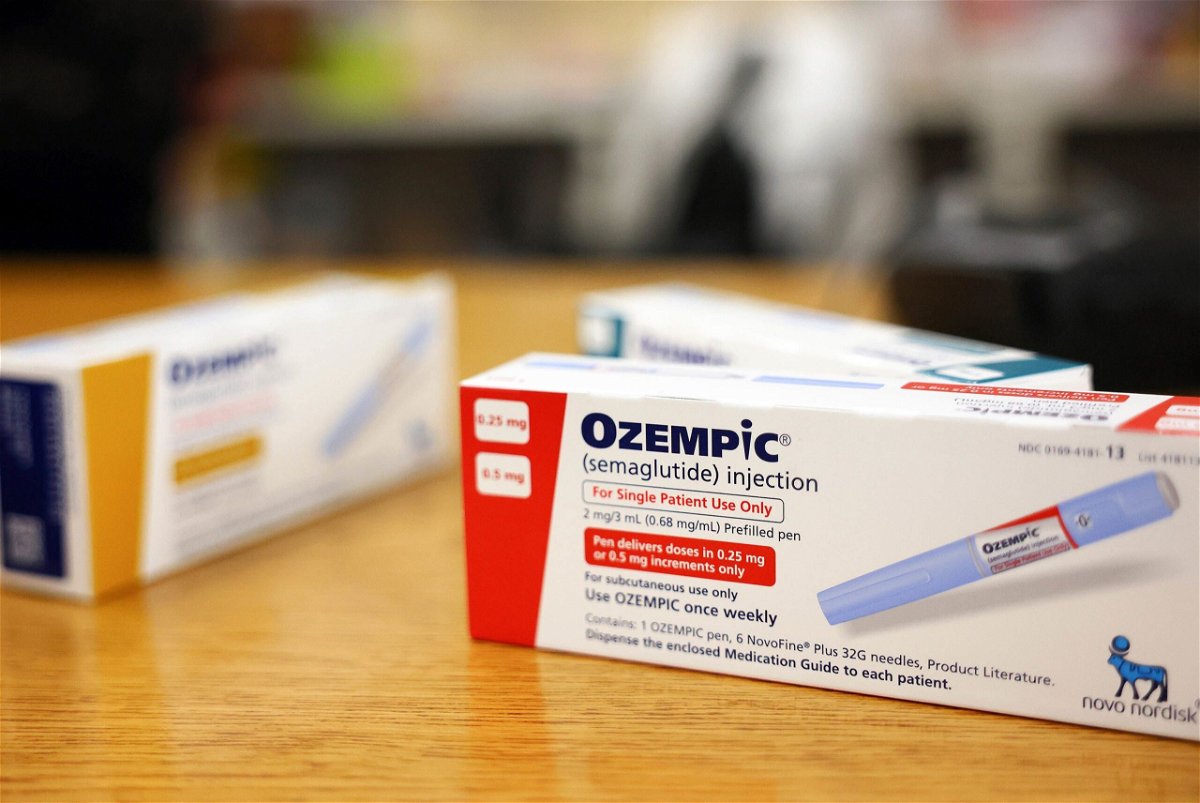
Semaglutide, a medication widely prescribed for type 2 diabetes management and more recently for weight control, has generated both excitement and concern in the medical community. While its effectiveness in regulating blood sugar and supporting weight reduction is well documented, some reports and studies have raised questions about whether it could be linked to vision problems, including a potential risk of vision loss. This possibility has understandably attracted attention from patients and healthcare professionals, making it important to separate scientific evidence from speculation.
To understand the debate, it is helpful to look at what semaglutide is and how it works. As a glucagon-like peptide-1 (GLP-1) receptor agonist, the drug helps regulate blood sugar by enhancing insulin secretion, slowing gastric emptying, and reducing appetite. These mechanisms not only aid in managing diabetes but also support weight loss, which explains why semaglutide has become one of the most talked-about medications in recent years. However, because diabetes itself is a leading cause of vision-related complications, determining whether semaglutide contributes directly to eye damage or whether vision changes stem from underlying disease progression is a complex issue.
Uno de los principales temas de preocupación surge de los ensayos clínicos en los que los pacientes que tomaban semaglutide enfrentaron mayores índices de complicaciones relacionadas con la retinopatía diabética en comparación con aquellos que recibieron un placebo. La retinopatía, una complicación frecuente de la diabetes de larga duración, se produce cuando los niveles elevados de glucosa en sangre dañan los vasos sanguíneos de la retina, ocasionando deterioro de la visión o, en casos severos, ceguera. Los investigadores observaron que las personas con antecedentes de retinopatía diabética avanzada parecían más propensas a experimentar un agravamiento de los síntomas al iniciar el tratamiento con semaglutide.
The reason might not be the drug itself directly causing damage, but rather the swift enhancement of blood sugar regulation. When glucose decreases rapidly, particularly in those with chronic diabetes and existing eye issues, this abrupt shift can occasionally provoke a temporary advancement of retinopathy. This occurrence isn’t exclusive to semaglutide; it has also been noticed with other strong glucose-lowering therapies. Nonetheless, over time, keeping blood sugar stable typically diminishes the long-term threat of losing vision.
It is also important to recognize that semaglutide has not been definitively proven to cause vision loss in individuals without preexisting eye conditions. For patients with early or no signs of retinopathy, the risk appears lower, though ongoing monitoring remains essential. The U.S. Food and Drug Administration (FDA) and other regulatory agencies have required warnings about potential retinopathy complications in labeling, advising healthcare providers to exercise caution when prescribing semaglutide to patients with advanced eye disease.
Beyond clinical trial data, real-world experiences provide additional context. Many patients using semaglutide for diabetes or weight management report improvements in overall health without any noticeable eye problems. At the same time, ophthalmologists emphasize the need for regular eye exams for anyone with diabetes, regardless of treatment type, since timely detection of retinopathy can prevent severe vision loss. The question, therefore, is not whether semaglutide universally causes vision impairment, but whether it may pose added risk to specific patient populations.
Medical experts suggest that careful screening and individualized treatment plans are the best ways to minimize potential risks. Patients with a history of retinopathy should consult both their endocrinologist and eye specialist before starting semaglutide, ensuring that any changes in vision are monitored closely. For those without significant eye disease, the benefits of better blood sugar control and weight reduction may outweigh the potential risks, especially when paired with preventive eye care.
The conversation around semaglutide and vision loss also underscores a broader truth in modern medicine: powerful treatments often come with trade-offs, and their risks can vary depending on patient history. While headlines may focus on alarming possibilities, the scientific consensus points toward a more nuanced reality. For most patients, semaglutide represents an effective therapy, but like all medications, it requires careful consideration of individual health conditions and ongoing monitoring.
Semaglutide has not been conclusively shown to directly cause vision loss, but it may increase the risk of worsening retinopathy in individuals who already have advanced diabetic eye disease. The underlying factor appears to be the speed of blood sugar improvement rather than the medication itself damaging vision. With proper medical guidance, routine eye exams, and a personalized treatment approach, many patients can safely benefit from semaglutide’s advantages while minimizing potential complications.
Rather than viewing semaglutide as a dangerous medication, it is more accurate to see it as a powerful tool that demands responsible use. Its role in managing diabetes and supporting weight loss is significant, but like all tools, it works best when applied thoughtfully, with awareness of both its strengths and its limitations. For patients and healthcare providers alike, the focus should remain on balance: maximizing health benefits while safeguarding vision through proactive care and regular monitoring.

.jpg "Centro de lactancia en Guatemala")