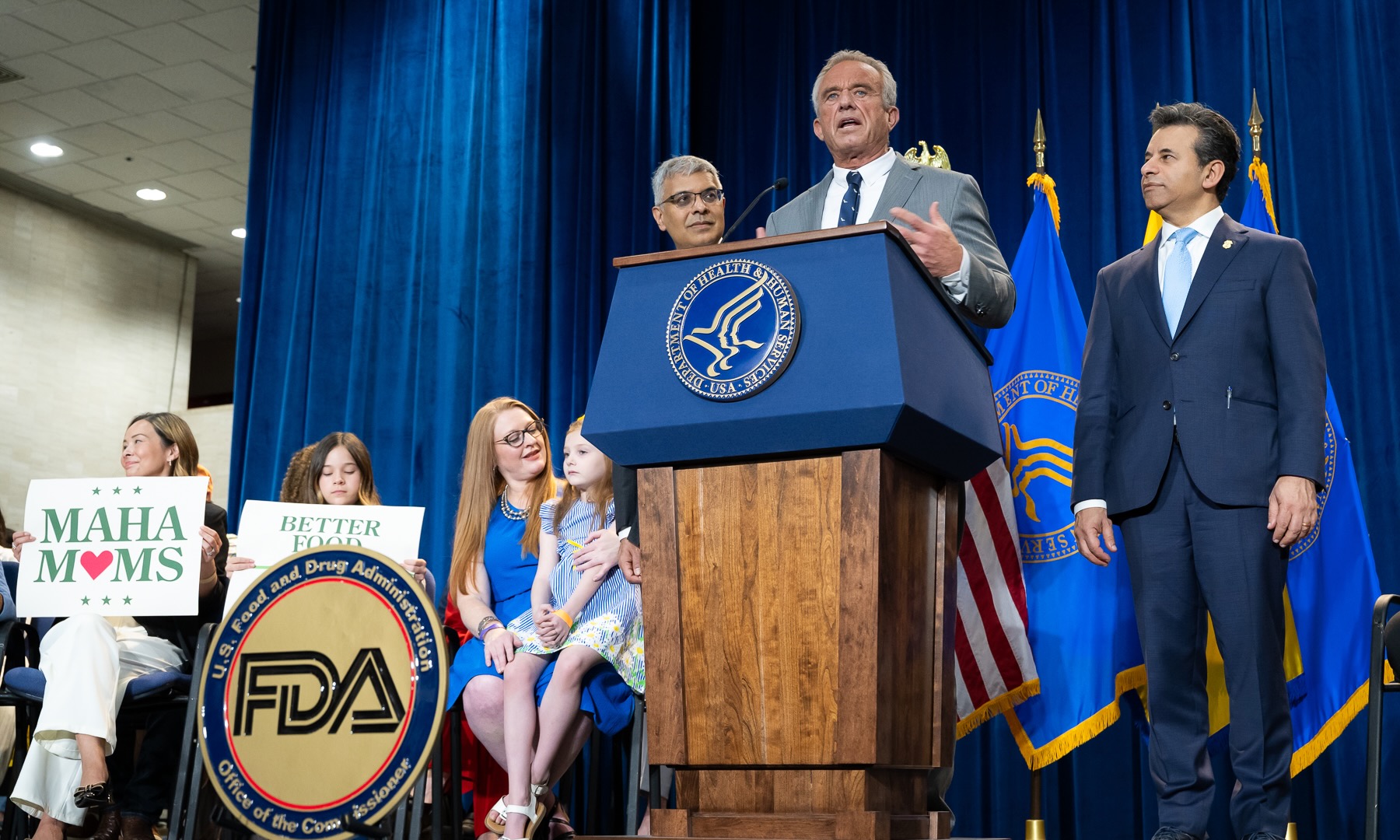
The U.S. Food and Drug Administration (FDA) has stated its plan to evaluate the safety and efficacy of prescription fluoride supplements that are frequently advised for children at risk of cavities. This move represents an important shift in pediatric dental care and suggests a wider scrutiny of the regulation and prescription of preventive treatments in the United States.
Fluoride has been acknowledged for a long time as an essential instrument in the prevention of dental cavities, particularly for children who have limited access to fluoridated water or are more susceptible to oral health issues. Frequently, fluoride supplements in the forms of tablets, drops, or lozenges are given by pediatricians and dentists to aid in reinforcing enamel and to decrease the probability of tooth decay in younger patients. These supplements have been conventionally recognized as a preventive strategy by oral health experts and public health authorities.
However, despite their widespread use for decades, many of these products were introduced to the market before current FDA standards for drug efficacy and safety were in place. As a result, several prescription fluoride supplements have remained on the market without undergoing the rigorous review now expected of newer pharmaceuticals. The FDA’s upcoming evaluation seeks to address this gap by assessing whether these supplements continue to meet today’s regulatory expectations.
This regulatory shift does not imply that fluoride supplements are inherently unsafe or ineffective. Rather, it reflects the agency’s broader efforts to ensure that all prescription medications—regardless of how long they have been available—are supported by adequate scientific evidence and conform to current safety requirements. As part of this initiative, manufacturers of fluoride products will be asked to provide updated data that demonstrate the benefits of supplementation, especially in comparison with non-prescription sources of fluoride, such as toothpaste and municipal water.
The application of fluoride to prevent dental cavities has received support from many health organizations, such as the American Dental Association and the Centers for Disease Control and Prevention. Fluoridating community water supplies, recognized as one of the 20th century’s top public health initiatives, has significantly lowered the occurrence of tooth decay throughout the U.S. However, not every child can access water with optimal fluoride levels, and this is where supplements have been crucial in reducing this disparity.
Children most often prescribed fluoride supplements include those living in rural or underserved areas where fluoridated water systems are either unavailable or inconsistent. In these settings, a daily dose of fluoride through prescription supplements can offer meaningful protection against cavities, especially during the early years of tooth development.
The FDA’s decision to evaluate these products may lead to updated labeling requirements, revised dosing guidelines, or even the removal of products that fail to meet contemporary safety and efficacy standards. While the outcome of the review remains to be seen, many in the dental and medical community welcome the move as an opportunity to reaffirm confidence in fluoride supplementation.
Increasing recognition of the possible dangers linked to high fluoride intake, notably amongst children, is becoming more prevalent. Issues like dental fluorosis—a visual concern arising from excessive fluoride during the development of enamel—emphasize the importance of controlled dosage and suitable administration based on age. The FDA’s evaluation might assist in making sure the dosing guidelines achieve an optimal balance between cavity reduction and security, especially in groups with differing levels of fluoride intake from various origins.
In the broader context of pediatric healthcare, this review also underscores the importance of tailoring preventive treatments to individual risk factors. While fluoride supplements may be essential for some children, others may receive sufficient protection from brushing with fluoride toothpaste and drinking fluoridated tap water. A more personalized approach to fluoride use—based on risk assessments conducted by healthcare providers—could enhance both efficacy and safety.
Pediatricians, dentists, and caregivers will be keenly observing the results of the FDA’s assessment. In the interim, healthcare professionals are advised to adhere to current protocols to identify children who might gain the greatest benefit from fluoride supplementation. Until any updated guidelines are provided, the usual clinical practices concerning fluoride prescriptions are anticipated to persist.
Ultimately, the FDA’s move to reassess prescription fluoride supplements reflects a growing emphasis on evidence-based care across all areas of medicine. For a generation of children at risk of dental disease, ensuring that the tools used to protect their oral health meet modern scientific standards is a step toward better overall health outcomes.
This upcoming assessment isn’t only a regulatory task—it’s an opportunity to bolster confidence in preventative dental care and make sure that children obtain the most secure and efficient treatments accessible.

.jpg "Centro de lactancia en Guatemala")