What does Elevated Blood Pressure Mean?
Elevated blood pressure, often referred to as hypertension, is a widespread issue impacting a substantial segment of the world’s population. It arises when the blood’s pressure against the vessel walls remains consistently excessive, which can result in severe health problems over time. Grasping the complexities of elevated blood pressure is essential in preventing its possibly harmful impacts on the heart, kidneys, brain, and other crucial organs.
How Blood Pressure Works
Blood pressure is determined by two main factors: the amount of blood your heart pumps and the resistance to blood flow in your arteries. It is measured in millimeters of mercury (mmHg) and is typically expressed using two numbers. The first number, systolic pressure, measures the pressure in the arteries when the heart beats. The second number, diastolic pressure, measures the pressure in the arteries between heartbeats. A normal blood pressure reading is generally around 120/80 mmHg.
Comprehending High Blood Pressure
Hypertension is often referred to as a “silent killer” because it typically has no overt symptoms but can lead to life-threatening conditions such as heart disease, stroke, and kidney failure. The risk of developing high blood pressure increases with age, but lifestyle factors such as a high-sodium diet, obesity, excessive alcohol consumption, and physical inactivity also contribute to its development. Genetic predisposition plays a significant role as well, making it important to understand family history when assessing risk.
Types of Hypertension
Healthcare professionals categorize high blood pressure into several stages to better tailor treatment approaches:
1. **Elevated Blood Pressure**: This stage is where systolic pressure ranges from 120-129 mmHg and diastolic pressure is less than 80 mmHg. Lifestyle changes are recommended to prevent the escalation to hypertension.
2. **Stage 1 Hypertension**: Here, systolic pressure ranges from 130-139 mmHg or diastolic pressure is 80-89 mmHg. Medication may be prescribed alongside lifestyle modifications.
3. **Stage 2 Hypertension**: At this level, systolic pressure reaches 140 mmHg or above, or diastolic pressure is 90 mmHg or more. More intensive medical interventions are generally required.
4. **Hypertensive Crisis**: This extremely high blood pressure reading requires immediate medical attention as it may indicate organ damage.
Identification and Observation
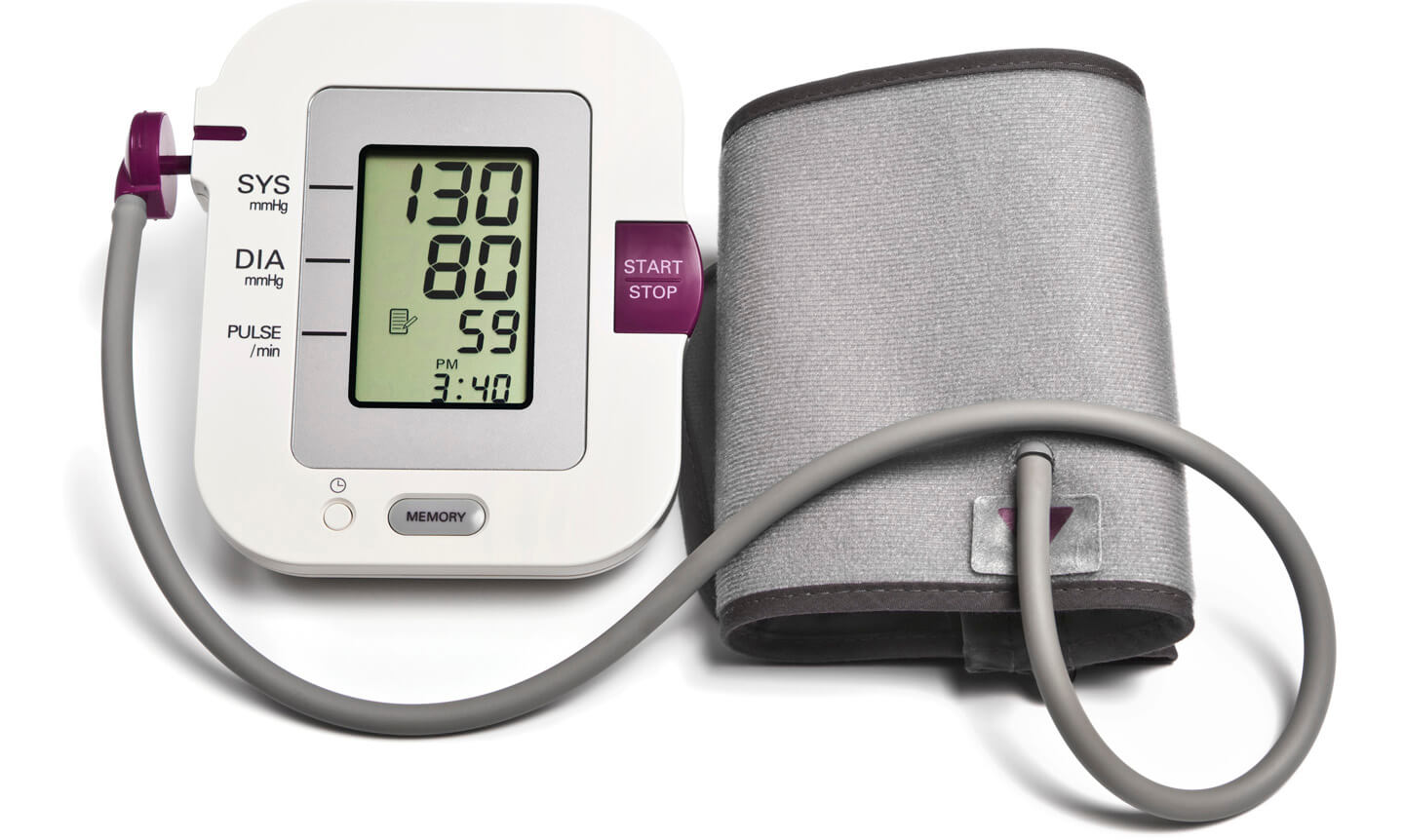
Regular monitoring of blood pressure is essential for early detection and management. Many people use home blood pressure monitors to track changes over time. It is important to follow the manufacturer’s instructions carefully to ensure accurate readings. Healthcare providers can offer guidance and verify equipment accuracy during routine visits.
Treatment and Management
Controlling elevated blood pressure typically requires a blend of changes in daily habits and prescribed drugs. Important modifications in lifestyle consist of embracing a nutritious diet filled with fruits, veggies, whole grains, and low-fat dairy, alongside cutting down on salt and saturated fats. Engaging in consistent exercise, keeping a healthy body weight, handling stress, and staying away from smoking and too much alcohol are equally crucial.
When lifestyle changes are insufficient, various medications may be prescribed to help control blood pressure levels. These include diuretics, beta-blockers, ACE inhibitors, angiotensin II receptor blockers, calcium channel blockers, and others. Medication plans should be personalized, taking into consideration the individual’s other health conditions and potential side effects.
Reflective Synthesis
High blood pressure is a pervasive health issue that demands attention due to its potential to cause severe damage silently. Being proactive about understanding and managing the risk factors, regularly monitoring blood pressure, and adhering to treatment plans can significantly reduce the adverse effects of hypertension. With commitment and informed action, individuals can preserve their health and enhance their quality of life despite the challenges posed by high blood pressure.

.jpg "Centro de lactancia en Guatemala")