

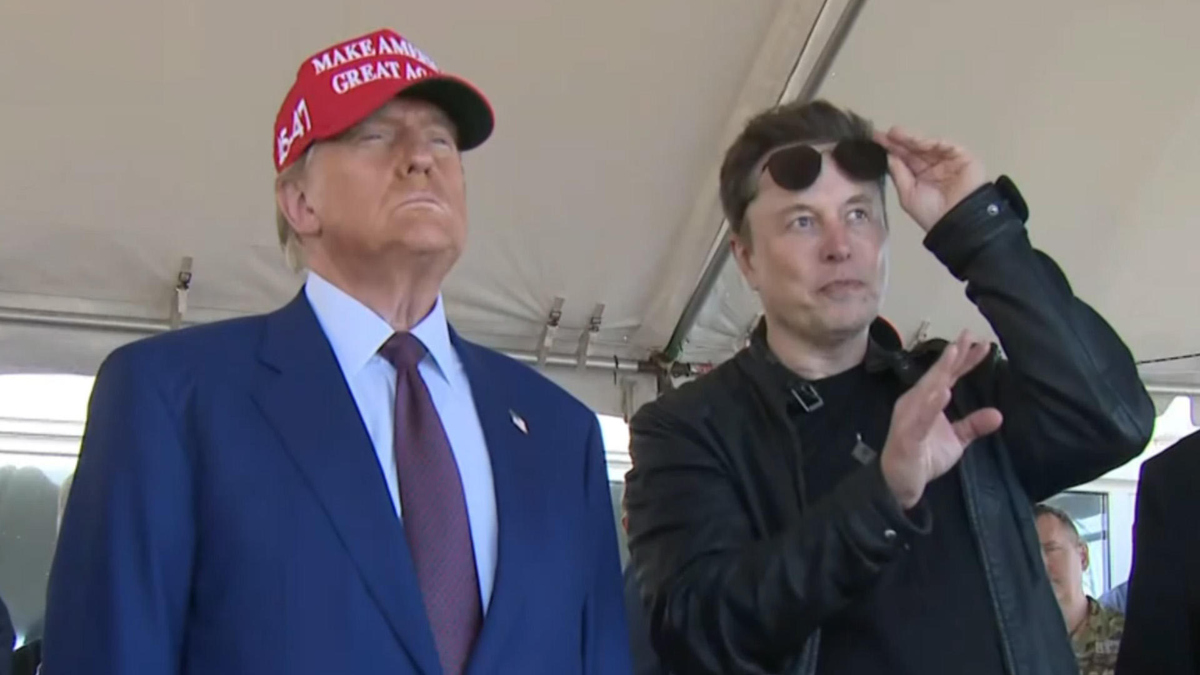
In recent months, the relationship between former U.S. President Donald Trump and billionaire entrepreneur Elon Musk has appeared to unravel, signaling a notable shift in the dynamic between politics and business leadership in the United States. Once regarded as potential allies with overlapping interests in deregulation, economic growth, and freedom of expression, the two high-profile figures now seem to be on diverging paths, with implications that could ripple across both the political landscape and the business world.
The relationship between Trump and Musk has cooled progressively, becoming evident over time. Although their interactions were never officially defined as a political alliance, public commentary, social media exchanges, and business events indicate that the former mutual respect has given way to critique, discord, and separation. This perceived “falling out” highlights broader frictions between the political right and tech industry executives as both factions maneuver through a more divisive social and economic climate.
Donald Trump, known for his unfiltered communication style and polarizing political positions, has long courted the support of high-profile business figures. Throughout his presidency and subsequent political activities, he frequently praised innovation, entrepreneurship, and deregulation—values that align with many of Musk’s business philosophies. Musk, as the CEO of Tesla, SpaceX, and other ventures, has built his reputation on disrupting traditional industries, pushing the boundaries of technology, and advocating for less governmental interference in private enterprise.
There was a period when the two individuals seemed to find agreement, especially regarding economic matters. Musk was a member of the presidential advisory boards during the initial period of Trump’s presidency, taking part in talks about production, infrastructure, and employment growth. Nonetheless, this consensus started to break due to major policy discrepancies, particularly Trump’s choice to exit the United States from the Paris Agreement on climate change—a decision that led Musk to step down from his advisory positions in objection.
The initial divergence hinted at a broader philosophical divide between the two individuals. Although they both support the progression of American industry and technology, Musk has progressively established his image as a worldwide strategist dedicated to sustainability, space travel, and digital breakthroughs. On the other hand, Trump’s policy approach has consistently emphasized nationalism, protectionist measures, and classic manufacturing practices.
The distance between them has widened further in the post-presidency era. Trump’s return to the political stage, with aspirations for another presidential run, has been marked by heightened rhetoric, legal controversies, and a firm grip on his loyal voter base. Musk, on the other hand, has transitioned into a more complex public role that includes owning social media platform X (formerly Twitter), making controversial statements, and facing increasing scrutiny over his management style and business decisions.
A key point of friction has emerged around the topic of free speech and digital platforms. Musk has styled himself as a free speech absolutist since acquiring X, criticizing censorship and promoting open discourse—even when it involves controversial viewpoints. While this position might seem compatible with Trump’s own criticisms of so-called “cancel culture” and media bias, their personal ambitions and conflicting approaches to communication have introduced discord.
Trump’s social media presence, once dominant on platforms like Twitter, was severely curtailed after the events of January 6, 2021. The creation of his own platform, Truth Social, reflects both his desire for an independent communication channel and his distancing from mainstream tech platforms. Musk’s eventual decision to reinstate Trump’s banned Twitter account following his acquisition of the company added a new layer of complexity, though Trump has largely chosen to remain on Truth Social, refusing to return to the platform that once served as his primary megaphone.
Additionally widening the divide is the issue of political stance and support. Although Musk has shared centrist and libertarian tendencies, showing some backing for Republican initiatives, he has also openly separated himself from Trump’s style of populism. On occasions, Musk has voiced criticism toward both leading political parties, promoting a focus on balance, creativity, and forward-thinking strategies.
This detachment became more pronounced when Musk made clear that he did not support Trump’s bid for re-election and suggested that a new generation of leadership would better serve the country. In response, Trump, known for his tendency to publicly disparage critics, took aim at Musk in speeches and social media posts, questioning his business practices and personal integrity.
The personal discord between them has been heightened by wider societal matters, such as talks on electric cars, climate change, workers’ rights, and media impact. Trump’s ongoing endorsement of fossil fuels and conventional industries stands in stark contrast to Musk’s devotion to clean energy and electric travel. Meanwhile, Musk’s contentious leadership choices and remarks have occasionally estranged both political liberals and conservatives, placing him in a progressively solitary stance in public conversations.
From a commercial standpoint, the divergence between Trump and Musk is noteworthy as well. Although both individuals have substantial economic clout, their enterprises exist in distinct domains. Trump’s brand is deeply entrenched in property, hospitality, and political activities, whereas Musk’s empire is founded on pioneering technology, space ventures, and the evolving digital environment. Their differing focuses suggest that even without personal disagreement, their business trajectories were unlikely to intersect significantly in the long run.
For individuals in the United States focusing on employment, financial aspects, and government affairs, this division prompts significant inquiries regarding where commerce meets politics in today’s world. The connection between governmental authority and business leadership has historically influenced policy-making and economic results. The visible unraveling of the Trump-Musk partnership indicates that these types of connections might be less stable than they initially appear, especially when personal goals, company reputation, and differing beliefs are involved.
The wider consequences of this division also concern the future of political backing by business executives. In a time when public personalities are responsible not only to investors but also to consumers and international audiences, leaders of companies and entrepreneurs must manage intricate reputational challenges when associating with political campaigns or individuals. The situation involving Trump and Musk acts as an example of how swiftly these partnerships can fall apart, and how public opinion can change in reaction.
As the political season heats up and Trump continues to pursue influence in American politics, the question of which business leaders will choose to align—or distance themselves—from his platform will remain a focal point of analysis. For Musk, maintaining independence from partisan politics may allow him to preserve his brand’s broad appeal, especially as his companies rely on global markets, government contracts, and a diverse customer base.
The perceived conclusion of the alliance between Trump and Musk highlights the shifting dynamics of authority, impact, and leadership within the realms of politics and business. Temporary collaborations might emerge due to common interests or objectives, yet enduring alliances demand a more profound alignment of principles, visions, and public stances. The situation involving Trump and Musk illustrates how varying aspirations and perspectives can lead to insurmountable separations, even among two of the most significant personalities in contemporary American history.
As the landscape continues to shift, both men will remain central players in their respective domains, but their paths, once briefly aligned, now seem destined to move in entirely separate directions.





.jpg "Understanding the legal requirements for offshore companies in Panama")
.jpg "Understanding the Panama pensionado visa process for US and Canadian retirees")