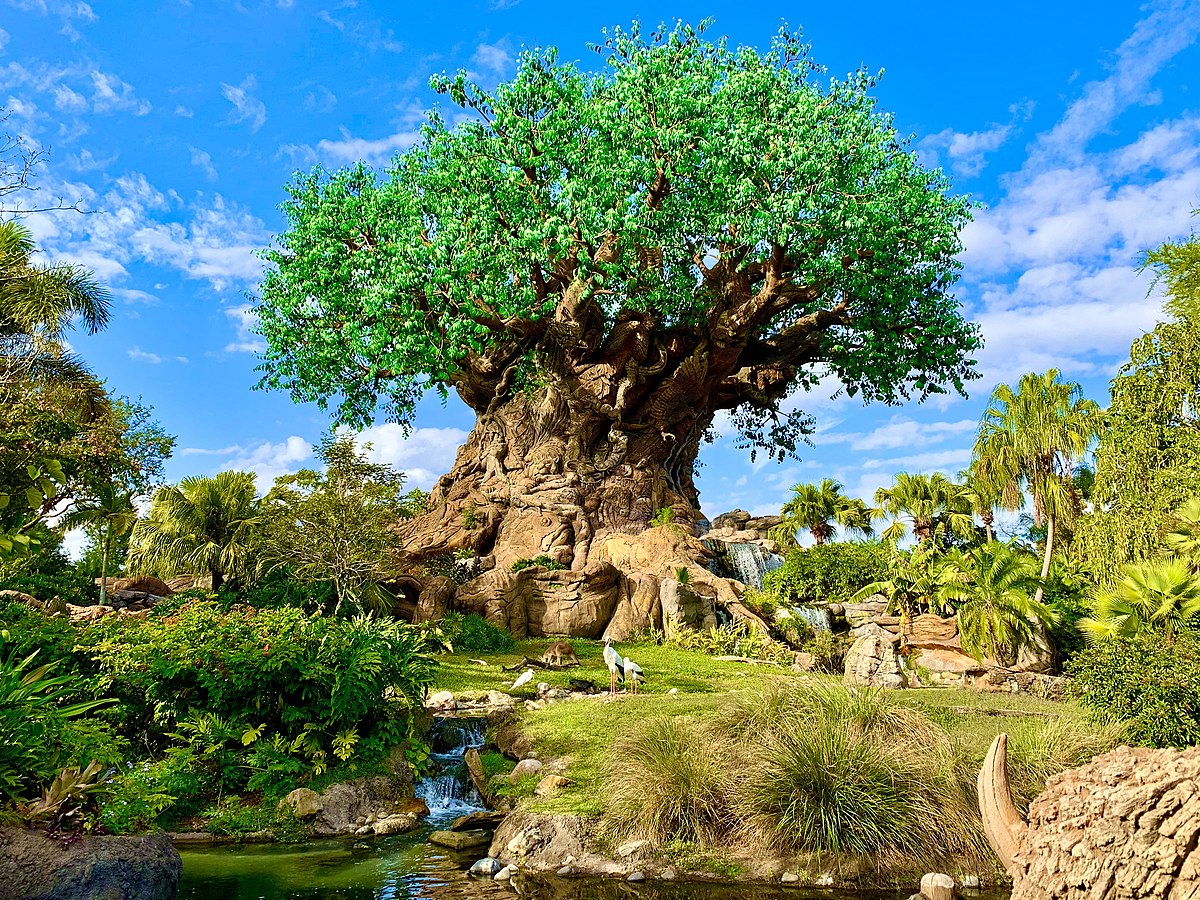
James Cameron’s Avatar, released in 2009, distinguished itself instantly through its groundbreaking visual elements. While many films have leveraged advanced technologies to enhance storytelling, Avatar seizes attention through a multilayered visual language. Each element, from color palettes to design choices, is orchestrated to transport viewers from terrestrial reality to the breathtaking moon of Pandora. This exploration delves into the specific visual facets that make Avatar an enduring cinematic spectacle.
Revolutionary Use of 3D Technology
Perhaps the most publicized visual innovation in Avatar is its pioneering implementation of stereoscopic 3D. Rather than serving as a mere gimmick, the 3D technology is woven into the very fabric of the storytelling. The unprecedented depth of field immerses audiences in every scene, whether soaring through Pandora’s sky upon a banshee or navigating its bioluminescent forests. The meticulous staging in three dimensions heightens spatial awareness and emotional engagement. Data from the film’s production reveals that, over the course of four years, proprietary cameras and software were developed specifically for this project, underscoring the centrality of visual immersion to the film’s identity.
Masterful World Creation: Pandora’s {{Flora}} and {{Fauna}}
Avatar extensively uses environmental narrative, with Pandora acting as a vibrant, sentient entity. The moon’s landscape—featuring a mix of levitating peaks, dense jungles, and luminous plant life—is inspired by actual botanical and zoological principles, yet enhanced by creative design. Every plant, including the colossal Hometree and the conscious Woodsprites, is intricately depicted with vivid hues and fluid animation. The hidden tree canopies and elaborate ground cover add levels of visual intricacy, a result of botanists, designers, and digital artists working together. Indigenous animals—such as the Direhorse and the Banshee—generate a sense of both recognition and extraterrestrial marvel by fusing terrestrial anatomy with unique characteristics, solidifying Pandora’s alien biological system.
Bioluminescence and the Spectrum of Illumination
One of the film’s most iconic visual identifiers is its extensive use of bioluminescence. Dayscapes in Pandora are marked by dense, oversaturated greens and blues, but by night, the world transforms. The forests pulse with radiant purples, pinks, blues, and greens, achieved through advanced rendering techniques and an acute understanding of color theory. These bioluminescent effects are not simply decorative; they contribute to the Na’vi culture, guiding rituals and signifying spirituality. For instance, the Tree of Souls not only visually dominates but also encapsulates thematic resonance—serving as both a visual spectacle and a narrative locus.
Figure Creation and Movement Recording
The Na’vi represent a monumental achievement in digital character creation. Their elongated limbs, feline features, and luminescent skin patterns are instantly memorable. These qualities transcend mere makeup; extensive motion-capture technology allows the performers’ emotional nuances to be translated faithfully onto their digital counterparts. The facial capture innovation plays a crucial role—subtle expressions, eye movements, and body language convey authenticity, minimizing the notorious ‘uncanny valley’ effect. Behind this seamlessness lies an enormous logistical operation: more than 60% of the film comprises computer-generated characters interacting dynamically with both digital and live-action elements.
Costume and Cultural Signifiers
Visual detailing extends deeply into costume design for both the Na’vi and human characters. The Na’vi’s attire features woven textiles, natural leathers, feathers, and bioluminescent beads, each reflecting their spiritual connection to the land. This echoes real-world indigenous cultures while blending imaginative fantasy elements, providing a visual shorthand for cultural depth. Human characters—specifically the soldiers and scientists—are defined by utilitarian exosuits, lab wear, and mechanized armor, underscoring the thematic conflict between nature and technology and illustrating the difference between human and Na’vi worldviews visually.
Environmental Composition and Cinematic Framing
The cinematography of Avatar meticulously frames Pandora’s splendor through sweeping establishing shots and intimate close-ups. Wide-angle vistas capture the dizzying heights of the Hallelujah Mountains, exploiting scale to inspire both awe and a sense of insignificance. Cameron employs dynamic camera movement to simulate flight and frame action sequences, producing kinetic energy that draws the audience into the world. Key scenes leverage light and shadow, contrasting Na’vi harmony with the harsh, sterile human encampments, providing stylistic subtext that amplifies core themes.
Blending Practical and Digital Effects
The combination of practical and digital effects ensures that Pandora’s setting appears tangible instead of completely artificial. Actual sets are integrated with computer-generated additions, enabling live performers to engage authentically with their environment. This mixed methodology is evident in close-up shots of forest grounds, where actors’ hands touch digital plant life that reacts instantly, grounding the visual illusion in physical existence.
Influence on Other Media and Popular Culture
The unique visual identity established by Avatar has influenced games, theme park attractions, and subsequent films. For example, the immersive lands in major amusement parks recreate Pandora’s glowing vistas, demonstrating the film’s lasting visual impact. Other filmmakers have cited Avatar as a reference point for integrating CG with live action at scale, using it as a benchmark for technical ambition and visual storytelling.
A Lasting Visual Legacy
Every visual choice in Avatar integrates cutting-edge technology and imaginative world-building to create a sensory-rich experience. The film’s cohesive palette, intricate character work, and innovative use of light are carefully layered, drawing viewers deeper into its ecological parable. Through these elements, Avatar has not only shaped the evolution of visual effects but also redefined expectations for cinematic immersion, demonstrating the enduring power of artistry harmonized with technology.