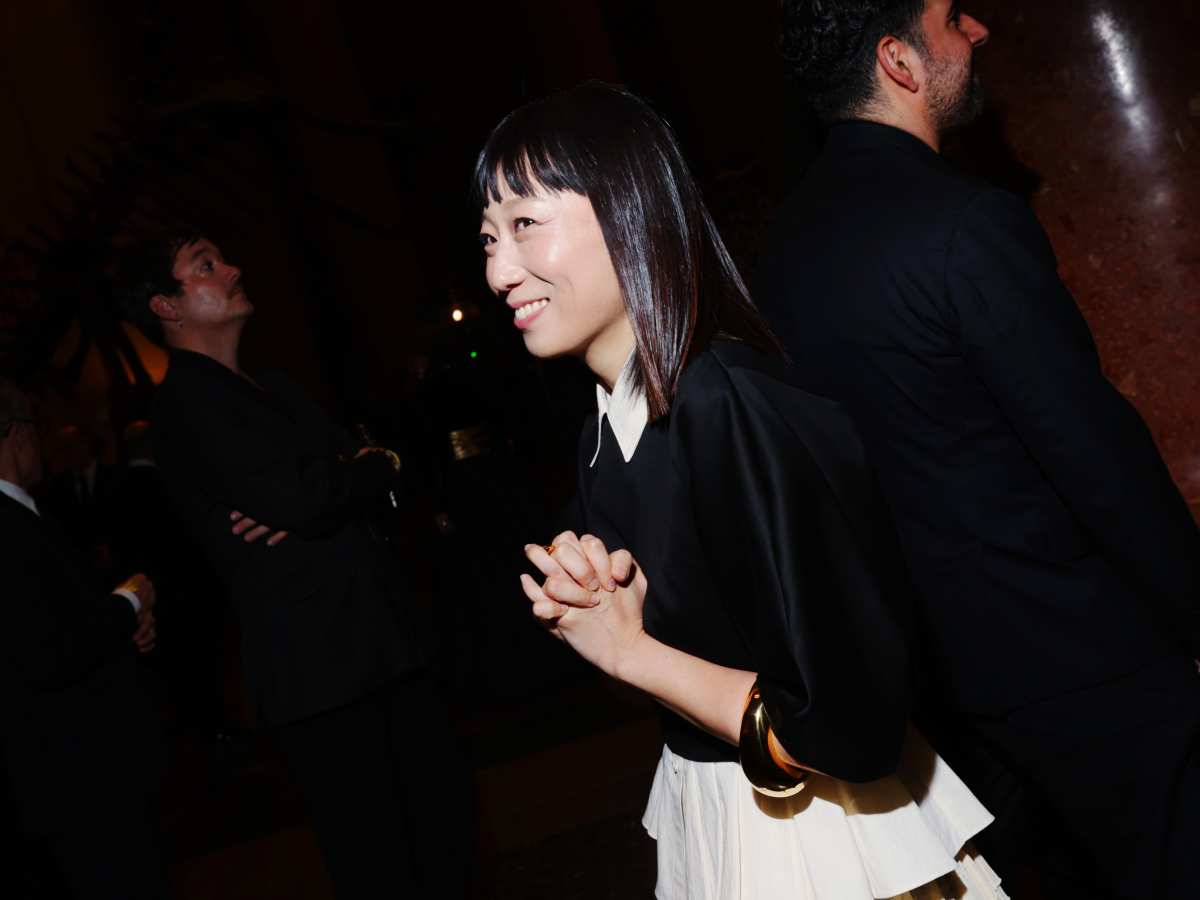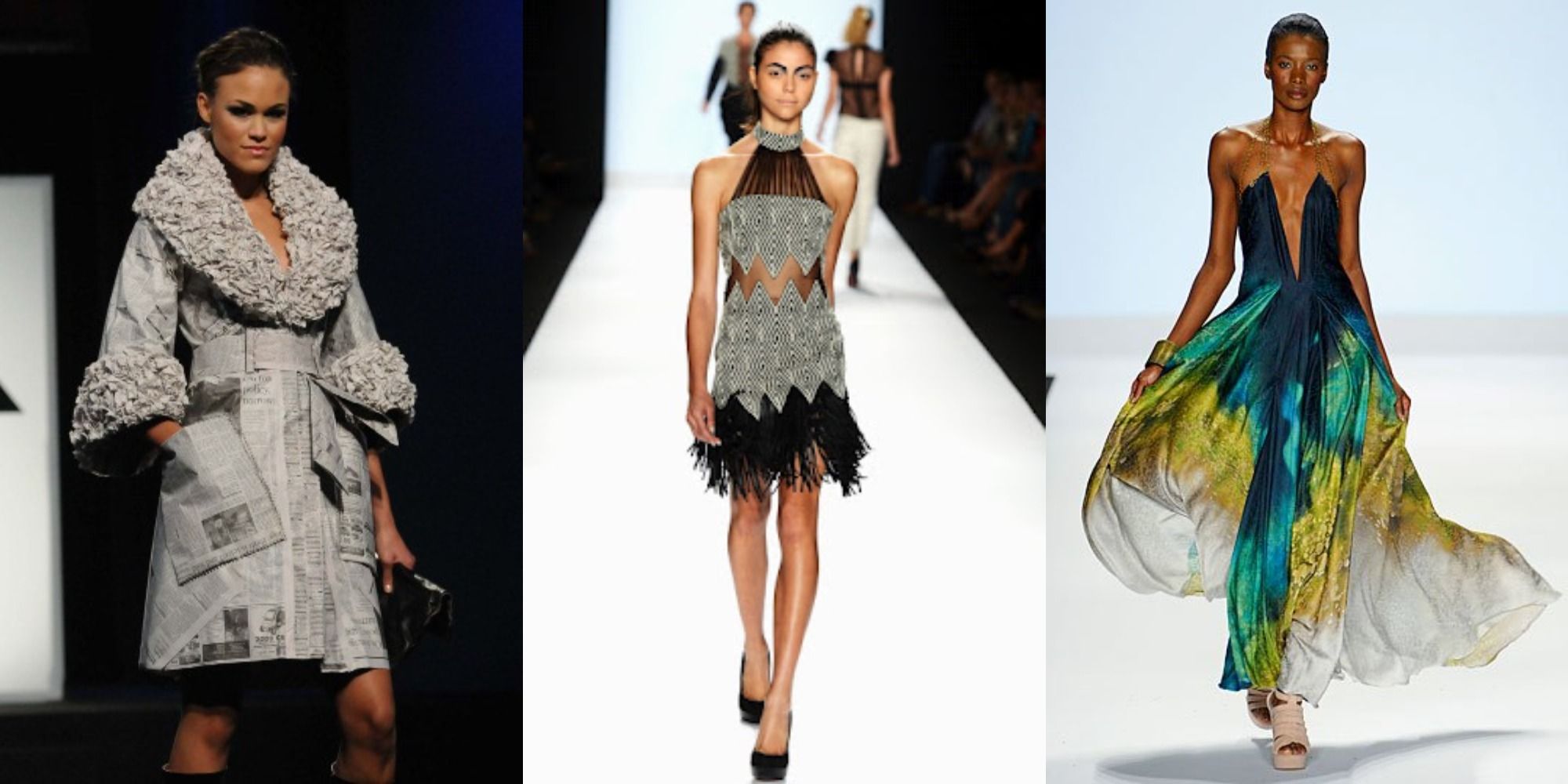
The iconic fashion competition series makes its anticipated return to television screens, bringing with it familiar challenges and high-stakes creative tests for aspiring designers. As the show prepares to launch its newest season, industry observers are questioning whether the revived format can produce the next generation of influential fashion voices in an increasingly crowded reality television landscape.
Project Runway originally revolutionized fashion television by offering viewers an authentic look at the creative process behind clothing design. The show’s earlier seasons launched several notable careers, with past winners and contestants going on to establish successful labels, dress celebrities, and show at major fashion weeks. However, the current media environment presents new challenges for discovering breakthrough talent, as countless digital platforms now offer alternative paths to recognition for young designers.
This season’s format retains the core elements that made the show successful – timed challenges, unconventional materials tests, and brutal judging panels – while incorporating updates to reflect changes in the fashion industry. Viewers can expect to see more emphasis on sustainable design practices, inclusive sizing considerations, and digital presentation skills that have become essential in the post-pandemic fashion world. The producers have also promised a more diverse group of contestants, representing a broader range of backgrounds and design perspectives than earlier seasons.
The fashion industry itself has undergone significant transformation since Project Runway’s heyday. Social media platforms like Instagram and TikTok have democratized fashion discovery, allowing unknown designers to build followings without traditional gatekeepers. At the same time, the barriers to launching a fashion label have lowered considerably, with direct-to-consumer platforms and digital pattern-making tools making it easier than ever to start a clothing line. These changes raise questions about whether a television competition can still serve as the career-making platform it once was.
Assessing the upcoming season are both seasoned personalities and new viewpoints. The long-standing host and producer continue their involvement, ensuring consistency for dedicated audiences, while the judging panel includes significant personalities from various areas of the fashion industry. This combination of experienced industry leaders and modern voices seeks to connect established fashion norms with today’s more dispersed style environment.
The challenges facing contestants have been updated to reflect current industry demands. In addition to classic tests like creating a garment from unconventional materials, designers will tackle real-world problems facing today’s fashion businesses, including creating size-inclusive collections, designing for virtual fashion shows, and developing sustainable production solutions. These practical elements aim to give contestants skills that translate directly to the modern fashion landscape.
For viewers, the show offers both entertainment and education about the realities of fashion design. Behind-the-scenes segments delve deeper into technical aspects like pattern-making and fabric selection than typical fashion programming. The production also highlights the business side of fashion, showing contestants navigating budgets, timelines, and client expectations – valuable insights for aspiring designers watching at home.
The timing of the show’s return coincides with renewed interest in fashion as self-expression following years of pandemic-induced casualwear dominance. As consumers return to offices and social events, many are rethinking their personal style, creating potential opportunities for fresh design voices to emerge. A successful contestant from this season could capitalize on this moment of sartorial reinvention.
However, the path from reality TV contestant to established designer remains challenging. Past Project Runway winners have faced varying degrees of success, with some building lasting brands while others struggled to transition from competition darling to viable business. The new season’s producers claim to have implemented more robust post-show support systems, including mentorship programs and business development resources, to help successful contestants navigate these hurdles.
The fashion media will be watching closely to see if this iteration can produce designers who make meaningful impacts on the industry. In an era when viral moments often translate to commercial success more reliably than traditional design credentials, the show faces pressure to demonstrate that its model of talent discovery remains relevant. A breakout star from this season could validate the continued importance of structured design training and traditional skill development in an increasingly democratized fashion world.
For those aiming to become designers, the show continues to offer a unique chance to display their skills to both industry professionals and the broader public at the same time. Simply being featured can kickstart careers, even for those who don’t emerge as the winner of the contest. Previous participants have turned their time on the show into partnerships, licensing agreements, and features in editorials that might have taken much longer to achieve otherwise.
As fashion continues evolving to address issues of sustainability, representation, and digital transformation, Project Runway’s return comes at a pivotal moment. The show’s ability to spotlight designers who can speak to these concerns while creating commercially viable, aesthetically compelling work may determine whether it can recapture its former influence. The coming weeks will reveal whether this season produces another crop of memorable personalities or, more importantly, the next genuine fashion star capable of shaping how we dress in the years ahead.
The rebooted Project Runway encounters a similar challenge to the designers it showcases: how to respect its legacy while evolving for the modern viewers. Achieving success will rely on balancing – preserving the excitement and artistic pressure that made it essential viewing, while adjusting to a fashion world that has changed significantly since the show’s debut. Those watching will see if this fresh era can successfully make reality TV an influential platform for uncovering the future’s fashion leaders.


:max_bytes(150000):strip_icc()/VWH-GettyImages-2168531818-3e0c9a6c46fe445ab049a4daf639baa5.jpg "How To Incorporate Glycolic Acid Into Your Skincare Routine, According To The Experts")