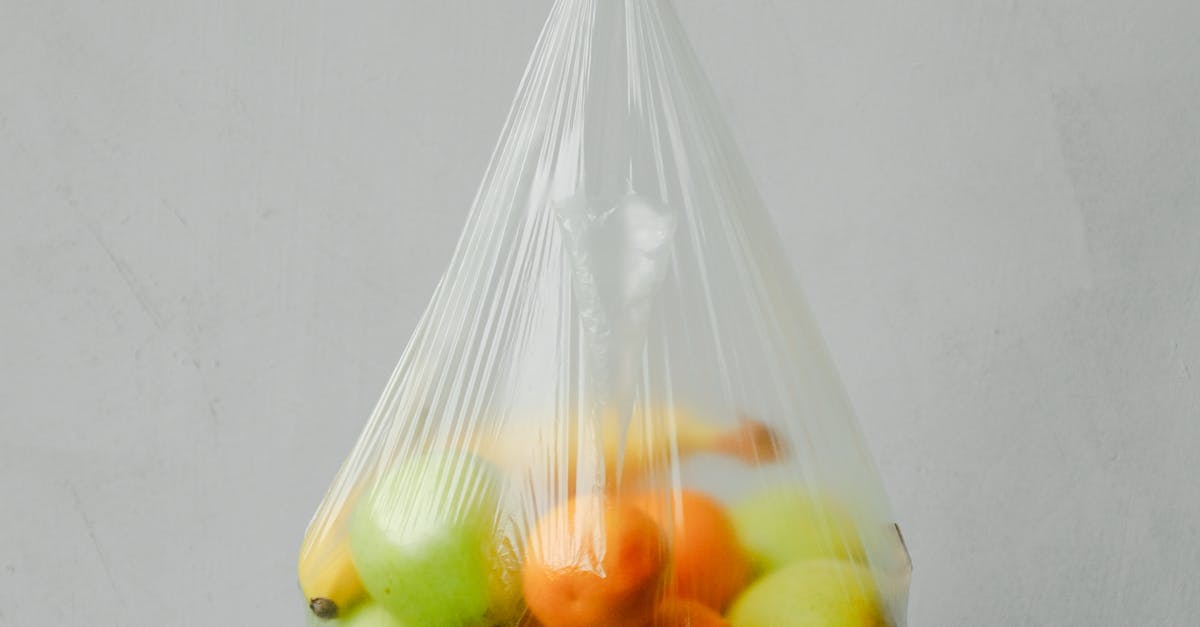
Food waste functions as an environmental issue as well as an avoidable business expense. According to estimates by the United Nations Environment Programme, households, retailers, and food services discarded 1.05 billion metric tons of food in 2022, which accounts for roughly 19% of the total food accessible to consumers. Companies are unable to tackle the entirety of this surplus single-handedly, yet they possess the power to transform their approach to forecasting, pricing, transporting, preparing, and recovering provisions.
The initiatives below address different points in the supply chain. They are not a ranking: a grocery chain, restaurant, and food manufacturer will need different combinations of tools.
1. Predictive ordering for grocery stores
Grocery buyers must order enough fresh food to avoid empty shelves without buying so much that it spoils. Forecasting systems use sales history, promotions, weather, holidays, and shelf-life data to recommend more precise orders. Afresh, for example, develops ordering software for fresh-food departments.
A useful pilot compares waste and product availability in similar stores before and after adoption. Lower waste is not a success if customers routinely find the produce display empty.
2. Prices that fall as expiration approaches
A product may still be safe and appealing even when shoppers are reluctant to pay full price for its remaining shelf life. Dynamic pricing systems, such as those offered by Wasteless, help retailers reduce prices as expiration approaches.
This approach can salvage income that might otherwise vanish, providing shoppers with an incentive to purchase aging inventory initially. Merchants ought to track the volume of marked-down items sold instead of discarded, ensuring concurrently that price cuts do not merely substitute for standard-rate purchases or appropriate nourishment contributions.
3. Marketplaces for surplus prepared food
Restaurants, bakeries, and cafes frequently fail to forecast precisely what items will sell each day. Too Good To Go links these establishments with patrons eager to purchase leftover meals at a lower cost, typically close to closing time.
The model provides a business with a way to profit from food it has already prepared. It functions most effectively when the pickup process remains simple and employees can spot excess portions without cooking extra meals specifically for the platform. Establishments ought to monitor genuine portions rescued, rather than merely counting posted listings.
4. Smart measurement in commercial kitchens
Kitchen crews frequently realize they discard food, yet they lack exact figures regarding the specific items or the root causes. Platforms like Winnow assist personnel in logging thrown-away components and meals, subsequently evaluating trends spanning preparation, service stages, and leftover portions.
That data can trigger practical adjustments, such as prepping smaller batches, modifying buffet quantities, or altering portion sizes. Tracking the weight and cost of discarded food per meal served over a period of time serves as the most reliable indicator of advancement. Although a single waste audit may uncover an issue, routine tracking demonstrates if the solution is actually effective.
5. Business-to-business markets for overlooked produce
Farms can have usable crops with no buyer because the produce is an unusual size or shape, or because an order changes. Full Harvest connects growers with commercial buyers that can use produce that might not meet conventional retail specifications.
Flavor, quality, and consistent volume might matter more to a food processor than mere cosmetic uniformity. For this system to succeed, shipping and logistics expenses need to stay manageable, while purchasers still require transparent benchmarks regarding food safety and usable quality.
6. Shelf-life extension tech for fresh produce
Certain advancements strive to extend the shelf life of fresh produce so it can successfully reach shoppers and be purchased. Apeel creates plant-derived protective layers designed to delay dehydration and other deterioration mechanisms.
Extended shelf life can create flexibility for growers, distributors, and retailers, particularly when shipments face delays. Outcomes rely upon the crop, handling, and storage conditions, meaning enterprises ought to test the technology against comparable untreated produce. Furthermore, organizations should evaluate its expense and environmental footprint instead of assuming that extended durability inherently yields a net advantage.
7. Real-time tracking of the cold chain
A shipment can become unsellable because of a temperature excursion that nobody discovers until delivery. Monitoring providers such as Tive offer sensors that can report shipment location and conditions during transit.
The innovative step is acting on an alert: a carrier might fix a refrigeration problem, redirect a shipment, or arrange faster unloading. Monitoring alone does not prevent waste. The business case depends on whether timely intervention reduces rejected loads enough to justify the equipment and service costs.
8. Technology-supported food donation
Edible surplus does not always reach people who need it. Retailers and caterers may lack the time to identify a recipient, arrange collection, and document what was donated. Goodr offers technology and logistics services designed to make that process easier.
Reliable donation requires more than a match between donor and recipient. Businesses need safe storage, prompt collection, appropriate packaging, and records suited to local food-safety requirements. Measures of success should include food actually delivered and accepted, not merely food offered for donation.
9. Upcycled ingredients derived from food-manufacturing byproducts
Food manufacturing produces materials that may still be nutritious and useful, even when they are no longer needed for the original product. Renewal Mill, for example, has developed ingredients using byproducts such as the pulp left from soy-milk production.
Upcycling can generate an alternative income stream alongside minimizing waste generation. The approach shows the highest potential when reliable material streams exist, together with a sound food-safety protocol and genuine market demand for the final component. A commodity does not genuinely become more sustainable if the expenses tied to processing and logistics exceed the value that gets reclaimed.
10. Energy recovery from unconsumed food
Certain thrown-away food items cannot be safely or practically sold, donated, or transformed into alternative food products. Enterprises like Divert collaborate with retailers to handle unsold provisions and turn appropriate matter into green energy via anaerobic digestion.
While energy recovery plays a role, it ought to come after measures aimed at waste prevention and keeping edible food within the supply chain. Companies can bolster their initiatives by disclosing distinct metrics for food diverted from disposal, surplus food given away, and resources directed toward energy recovery.
What makes an initiative effective?
The ideal option relies on where a company drops food. A restaurant prepping excessively large batches requires alternative instruments compared to a supermarket dealing with flawed purchasing predictions or a distributor facing thermal rejections. Prior to making financial commitments, an enterprise ought to establish a benchmark and monitor:
- Quantity: What amount of food goes to waste, broken down by product and root cause?
- Value: What financial burdens arise from procurement, workforce expenses, waste management, and missed revenue?
- Destination: What volume of food is ultimately sold, given away, repurposed, or treated following disposal?
- Unintended effects: Might a corrective measure inadvertently drive up transportation, packaging, or superfluous manufacturing?
Innovation matters most when it changes an everyday decision: how much to order, when to lower a price, where to send a shipment, or what to do with safe surplus. The most durable business initiatives treat food as valuable well before it reaches the waste bin.