Understanding the Underground Economy: A Comprehensive Exploration
The term underground economy often elicits images of shadowy dealings in dimly lit alleyways. However, the reality of this economic system is both more mundane and intricate. The underground economy—sometimes referred to as the shadow or informal economy—includes all economic activities that are not regulated by the government, and thus, not included in a country’s official Gross Domestic Product (GDP).
Features of the Hidden Economy
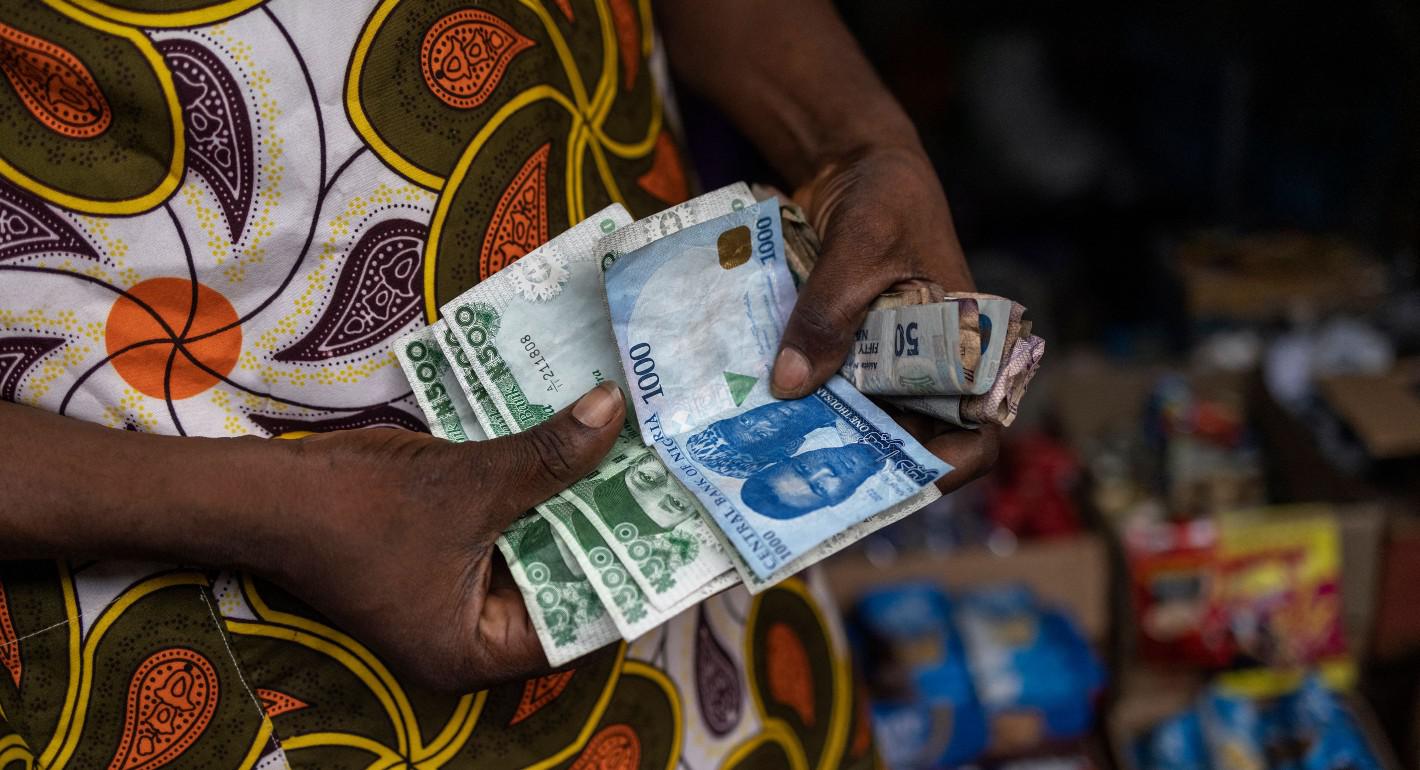
The underground economy is characterized by activities that, while often legal, are conducted without government oversight. This lack of regulation means these activities go untaxed and unreported. Common examples include cash-only businesses, freelance work paid under the table, and some online trade conducted outside the reach of tax authorities.
Varied Scenery and Opportunities
1. Unofficial Work: A large segment of the shadow economy consists of unregulated positions where individuals receive payment directly, avoiding standard employment protocols. These roles range from child care to cleaning services to temporary agricultural labor. People in these positions frequently miss out on benefits like medical care and pension contributions.
2. Unlawful Commerce: Although not as widespread as informal work, unlawful trade in merchandise and services is significant. This encompasses the illegal markets for narcotics, arms, and even human smuggling. These endeavors not only avoid paying taxes but also present major moral and legal challenges.
3. Diversity in Cultural and Regional Aspects: The makeup of the shadow economy differs significantly across nations and regions. For instance, in certain emerging countries, the size of the informal market is so substantial that it overshadows the official economy. Cultural elements, like the community’s confidence in authorities or customary trading practices, can greatly affect how widespread and accepted underground economic endeavors are.
Impacts on Society and Economies
The hidden economy carries a twofold effect. Firstly, it offers vital earnings for people who cannot access official jobs. At the same time, it results in financial losses for governments, with approximately $2 trillion in tax income lost every year globally. This deficit influences public services and the advancement of infrastructure, resulting in wider societal challenges.
A Case Study: Agriculture in Developing Nations
In various emerging nations, most agricultural operations are carried out informally. Cultivators often sell their goods straight to purchasers, skipping over marketplaces and taxation frameworks. This approach enables them to avoid strict regulations but leads to scant information on national agricultural output, which obstructs the creation of effective policies.
Elements Driving the Shadow Economy
1. Burdens of Regulation and Costs of Compliance: Economies with stringent regulations frequently drive companies into the shadows because of high compliance expenses. Smaller business owners might opt for informal operations to evade bureaucratic obstacles.
2. Financial Imperative: In areas experiencing elevated levels of joblessness and poverty, informal jobs frequently serve as the sole practical source of work.
3. Technological Advances: The rise of digital platforms, while boosting e-commerce, has paradoxically facilitated an increase in unreported economic activities. Peer-to-peer platforms and cryptocurrency transactions often bypass traditional economic oversight.
Strategies for Integration and Regulation
In order to tackle the intricacies of the hidden economy, governments can adopt various approaches:
– Regulatory Simplification: By streamlining regulatory processes, governments can encourage businesses to transition from informal to formal operations.
– Incentives for Formalization: Offering tax breaks or subsidies for businesses that register officially can motivate informal entities to seek formal status.
– Educating and Supporting Informal Workers: Providing education about the benefits of formalization and offering support for transitioning can help integrate underground actors into the formal sector.
Understanding the hidden economy uncovers a complex and expansive realm that influences both global economic stability and personal welfare. Grasping and tackling this economy necessitates a thoughtful method that takes into account the financial imperatives, cultural backdrops, and regulatory systems that uphold it. Through collective initiatives, the gap between unofficial and official economies can be closed, encouraging more balanced development and long-term sustainability.



.jpg "Understanding the legal requirements for offshore companies in Panama")
.jpg "Understanding the Panama pensionado visa process for US and Canadian retirees")