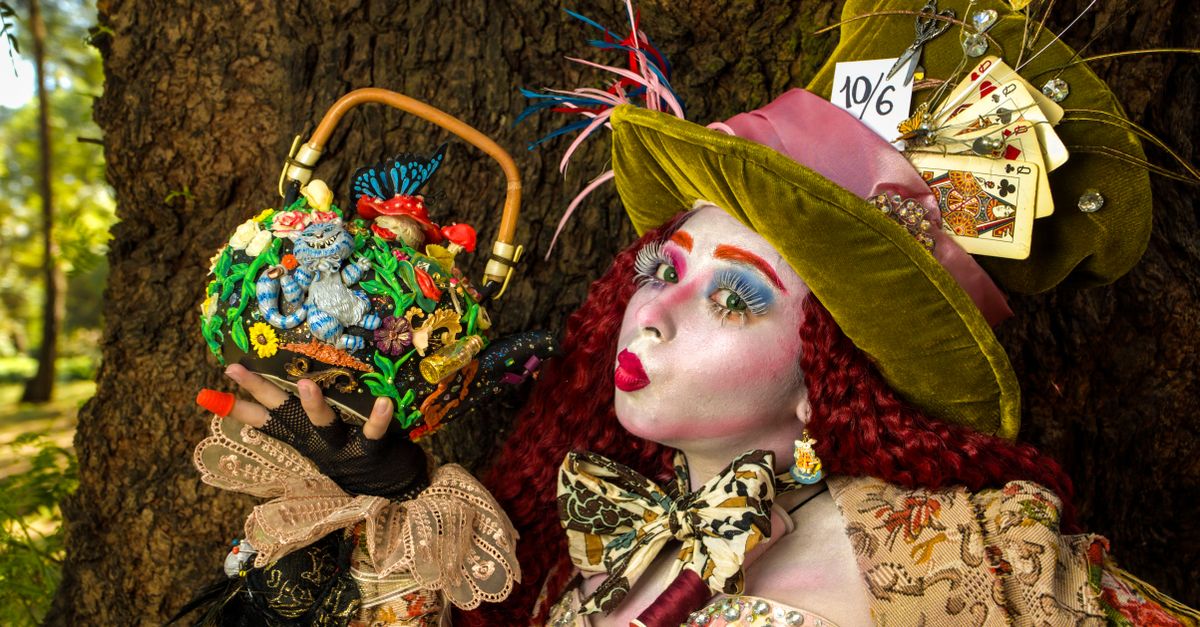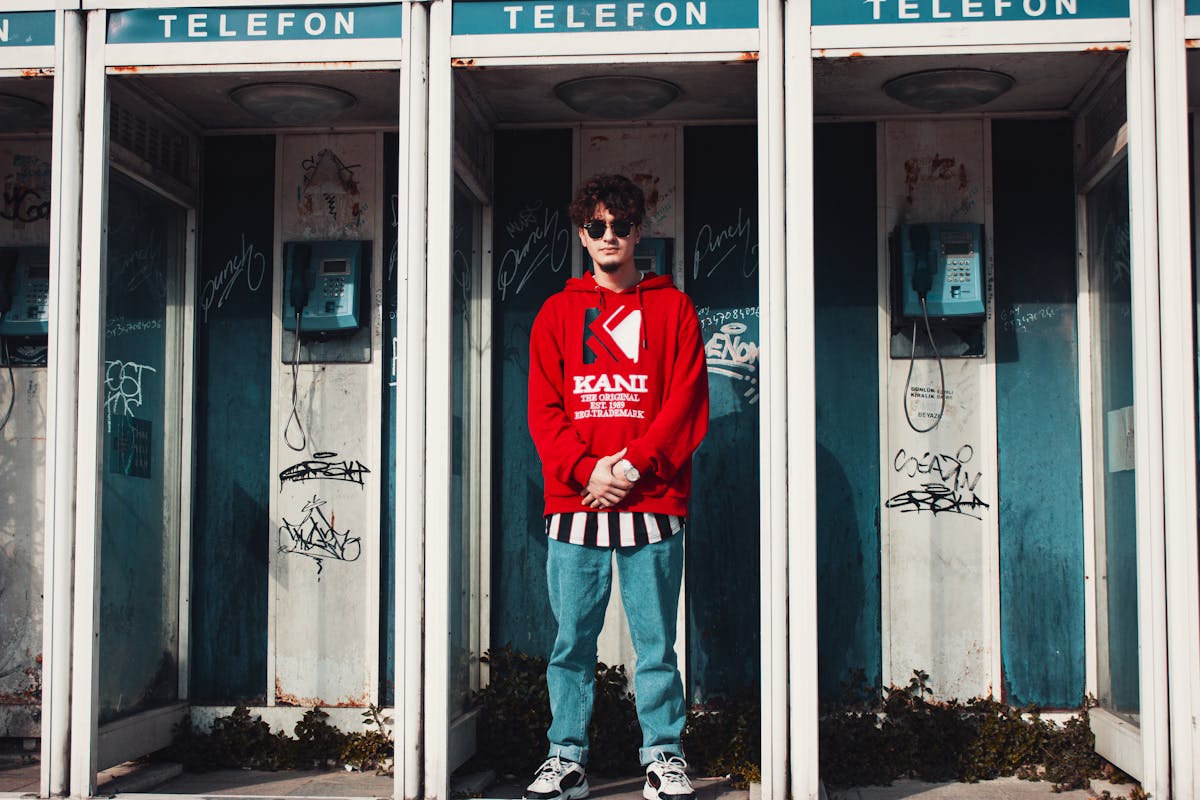
Urban fashion, often synonymous with street style, is a dynamic facet of the fashion industry that reflects the vibe of city life. Emerging from the heart of bustling metropolises, this style encompasses a blend of culture, music, art, and individual expression. To comprehend what urban fashion truly entails, one must explore its roots, defining characteristics, and the societal influence it wields.
The Roots of Urban Style
Urban fashion emerged in the late 20th century, deeply shaped by the rise of hip-hop culture that took root in the Bronx, New York. As this musical movement developed, it fostered a unique aesthetic associated with confidence and personal expression. Influential figures such as Run-D.M.C. and LL Cool J helped turn athletic apparel into mainstream attire, making Adidas sneakers and Kangol hats defining symbols of the style.
As urban fashion spread globally, it incorporated diverse cultural elements, resulting in a style that is both eclectic and universally appealing. This melting pot of influences made urban fashion relatable to individuals from various backgrounds, helping to blur the lines between high fashion and streetwear.
Key Traits of Urban Fashion
Comfort and Functionality: At its core, urban fashion prioritizes comfort and practicality. Loose-fitting clothing, such as baggy jeans, hoodies, and oversized t-shirts, allow for freedom of movement. This aligns with the active lifestyle that urban environments often demand.
Bold and Expressive: Urban fashion is characterized by its bold use of colors, graphics, and patterns. Whether it’s a statement slogan on a t-shirt or a graphic print jacket, the emphasis is on making a visual impact. This aligns with the self-expression that the urban lifestyle often celebrates.
Influence of Sportswear: Sportswear is a prominent aspect of urban fashion. Items such as sneakers, track pants, and varsity jackets are staples. Brands like Nike, Adidas, and Puma thrive in this space, consistently releasing new products that cater to this style’s evolving nature.
Cultural Symbolism: Many elements of urban fashion carry cultural connotations. This includes garments that pay homage to specific subcultures or historical moments. For instance, band t-shirts or apparel featuring political messages offer glimpses into the wearer’s personal worldviews and influences.
Urban Fashion’s Impact on Society
Urban fashion not only mirrors current cultural currents but also plays an active role in redefining them, evolving alongside shifting urban landscapes and emerging artistic movements. It continually adjusts, frequently serving as a platform for marginalized and underrepresented groups. With brands such as Supreme, Off-White, and Stüssy driving its influence into the mainstream, urban fashion brings visibility to themes like social justice, personal identity, and environmental responsibility.
Urban fashion has pushed streetwear into the spotlight of high-end design, erasing the boundaries that previously separated various fashion worlds, while designers like Virgil Abloh and Demna Gvasalia have woven urban influences into their haute couture work, highlighting how contemporary fashion continually shifts and blurs stylistic distinctions.
Urban fashion is not merely a trend but a cultural movement and a lifestyle statement. It adapts to the changing rhythms of city life, always retaining its core values of individuality and expression. As cities expand and cultural lines continue to blur, urban fashion will undeniably remain at the forefront of modern aesthetic discourse. Through a reflection of its authenticity and dynamism, urban fashion reveals not just what people wear, but who they are.