As temperatures drop, American households are facing another financial burden: heating costs are expected to climb this winter, adding pressure to already stretched budgets.
The announcement arrives while inflation continues to pressure the economy and energy costs climb, forming a challenging scenario for households struggling to control their monthly budgets. For numerous individuals, facing the possibility of steeper heating expenses during the winter season is not just a hassle—it poses a dilemma that might necessitate tough decisions regarding family expenditures. Energy providers, market specialists, and government authorities are all indicating that prices are poised to rise considerably more than in earlier years, affecting regions nationwide, from city apartments to countryside dwellings.
Several factors are contributing to this rise in heating expenses. Global energy markets continue to experience volatility due to geopolitical tensions, supply chain disruptions, and lingering effects from the pandemic. Natural gas prices, which play a central role in heating systems for millions of American households, have been particularly affected. In addition, colder-than-expected forecasts in certain regions are expected to drive up consumption, further increasing demand and pushing prices higher.
Elements influencing energy expenses during winter
One major factor causing an increase in heating costs is the ongoing volatility of natural gas prices. Residential heating in the United States largely depends on this energy source, and any supply disruptions can quickly increase consumer expenses. Specialists caution that interruptions stemming from international disputes or production challenges could worsen the circumstances, limiting households’ ability to lower their spending.
Weather patterns also play a crucial role in determining energy consumption. Colder winters naturally increase the need for heating, which in turn drives up demand for electricity, natural gas, and heating oil. While meteorologists provide forecasts months in advance, unexpected cold snaps or extended periods of low temperatures can quickly strain energy infrastructure, resulting in higher bills.
Another important aspect is the current shift towards more sustainable energy sources. Although renewable energy projects strive to decrease both future expenses and ecological effects, the immediate consequence has been an inconsistent availability of energy resources, potentially causing costs to rise. This transitional phase, along with regulatory modifications and energy market fluctuations, adds to the unpredictability that families encounter while budgeting for winter costs.
Variations in regions and effects on families
The economic repercussions of escalating heating expenses will vary throughout the nation. People living in the colder northern regions are expected to encounter more significant hikes because of their inherently higher energy use. On the other hand, areas with milder climates might experience less drastic shifts, yet even minor upticks can heavily impact families already dealing with elevated inflation. In rural locations, where heating oil or propane is typically used instead of natural gas, costs may surge sharply because of factors like transportation and distribution.
For several families, these increasing expenses will add to other financial strains. Inflation has impacted food, transportation, and medical care, resulting in less extra income available for energy costs. Experts caution that certain households might have to make tough decisions, like lowering heating levels, limiting other necessary expenses, or turning to financial aid programs to keep warm throughout the winter season.
Getting ready for increased heating expenses
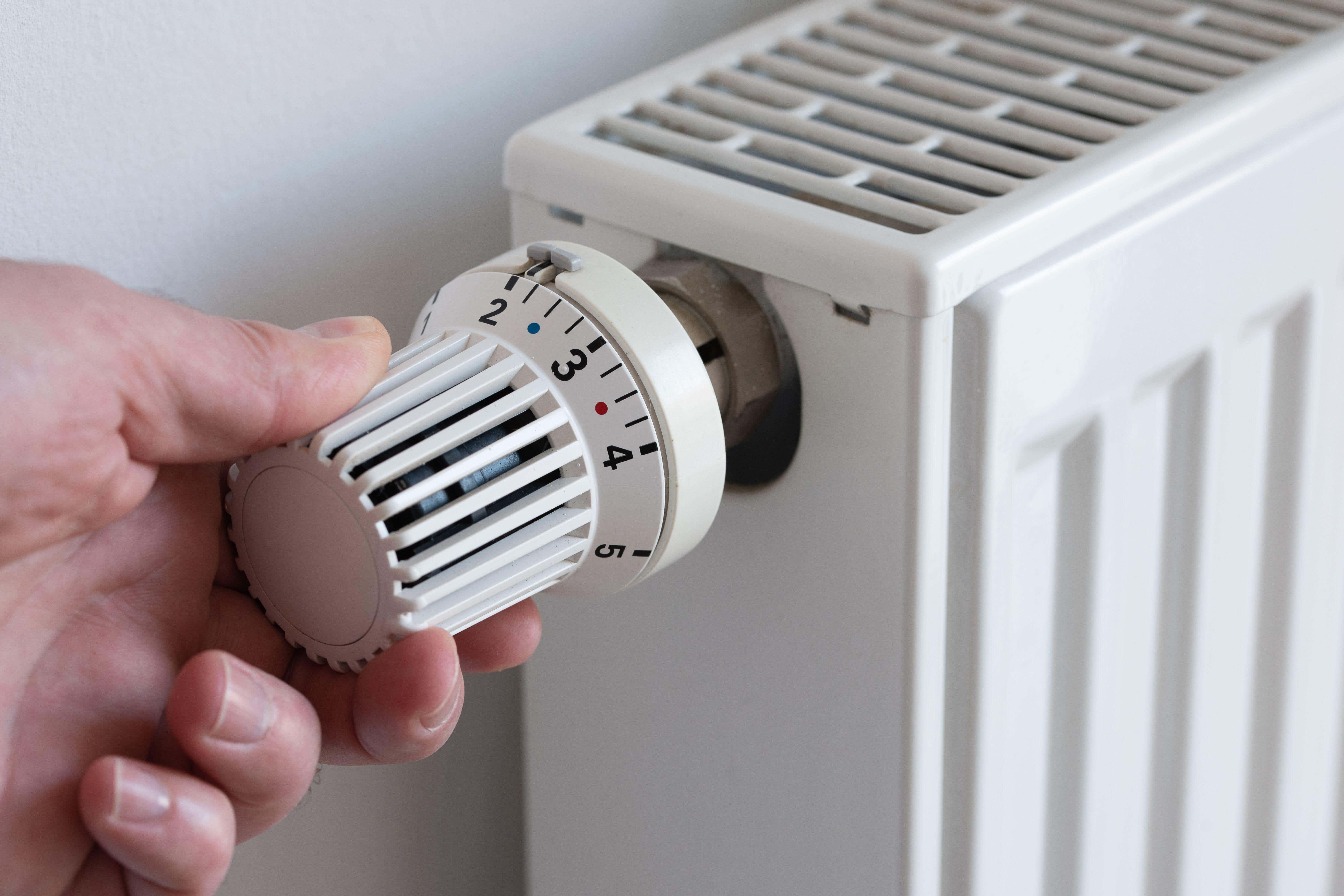
Energy experts recommend several strategies to mitigate the impact of rising winter costs. One approach is improving home energy efficiency. Simple steps, such as sealing windows and doors, adding insulation, or using programmable thermostats, can significantly reduce heating demand. Additionally, households may explore alternative energy options, including electric heat pumps or solar-powered systems, which can lower reliance on traditional fuels and provide longer-term cost savings.
Government initiatives are accessible to assist vulnerable families in handling rising costs. The Low Income Home Energy Assistance Program (LIHEAP) offers monetary aid to households facing challenges in paying heating expenses, and some states provide extra aid or energy rebates. Being informed and applying early for these programs can significantly impact, helping families stay secure and warm despite increasing prices.
Experts emphasize that planning ahead is crucial. Monitoring energy usage, budgeting for higher expenses, and taking advantage of available resources can reduce the financial strain. By being proactive, households can better navigate the challenges of an expensive winter season and minimize the impact on daily life.
Factors for the long run
While the immediate concern is the upcoming winter, rising heating bills highlight a broader issue regarding energy stability and affordability in the United States. Policymakers, utility providers, and consumers alike are facing a turning point: how to balance energy needs, environmental goals, and financial realities. Investments in infrastructure, renewable energy, and improved efficiency can help mitigate future price volatility, but these solutions take time to implement.
In the near future, people in the United States will have to get ready for increased costs of heating during the winter months and adjust their financial plans as necessary. Families nationwide are anticipating the economic hurdles to come, aware that taking early actions and making well-informed choices can lead to significant improvements. With winter on the horizon, the combination of weather conditions, market dynamics, and energy strategies will keep influencing the everyday lives of countless individuals, highlighting the need for preparation, ingenuity, and perseverance.