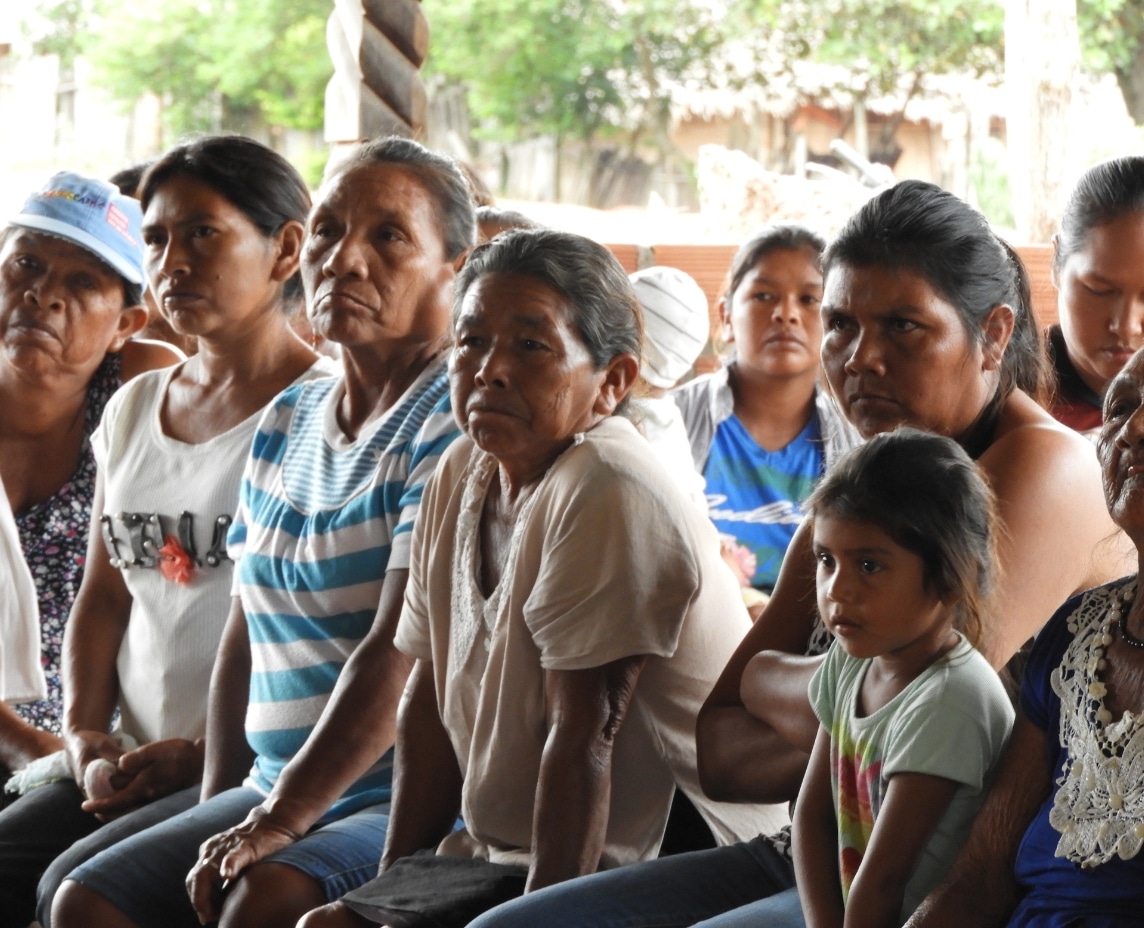
Bolivia is a country where abundant natural resources—minerals, lithium brines, hydrocarbons, forests, and freshwater systems—coexist with rural and indigenous communities that rely on local ecosystems for livelihoods. Corporate social responsibility (CSR) in extractive and infrastructure sectors increasingly centers on one critical dimension: water. Companies operating in Bolivia are under growing pressure to prevent water harm, to secure community consent and input, and to deliver credible water-access projects that raise living standards while protecting ecosystems.
The impact of natural‑resource operations on water
- Mining: open-pit and underground operations may depress groundwater levels, shift surface hydrology, and lead to acid rock drainage or heavy metal pollution that must be managed.
- Lithium extraction: processing brines in high-altitude salt flats can draw down and reallocate limited freshwater resources, transform wetland dynamics and salt flat water systems, and influence pastoral rangelands and local biodiversity.
- Hydrocarbons and pipelines: clearing land, building access roads, and accidental spills can harm watersheds and degrade water quality, while ongoing activities may also reshape river habitats.
- Forestry and agriculture linked to industry: associated services and population influx can heighten the need for drinking water and sanitation systems in surrounding communities.
- Climate stress: the retreat of Andean glaciers and fluctuating rainfall patterns diminish seasonal water supplies, intensifying vulnerabilities tied to industrial water consumption.
Legal, social, and policy factors shaping the context of CSR
- Bolivian national policy and its constitutional framework underscore state oversight of natural resources and highlight the societal value of water, shaping expectations that companies work in tandem with governmental bodies and local communities.
- Indigenous and peasant communities maintain customary governance structures and hold rights to consultation, while international human-rights and development standards stress the importance of Free, Prior, and Informed Consent (FPIC) or similar participatory mechanisms.
- Earlier disputes—including well-known urban mobilizations against privatized water services—have heightened sensitivities surrounding water initiatives and corporate participation, reinforcing the demand for open and inclusive engagement.
Best-practice CSR principles for water and community consultation
- Early and continuous engagement: begin outreach ahead of formal project design, sustain frequent dialogues throughout construction and operation phases, and approach engagement as an evolving process rather than a single event.
- Respect local governance: acknowledge how communities make collective decisions, adapt to traditional schedules and languages when translations are required, and secure group-based agreements alongside individual consent.
- Clear, accessible information: provide initial datasets, water balance analyses, environmental impact reviews, and monitoring updates in community-friendly formats such as maps, plain-language briefs, and open meetings.
- Joint water resource planning: create collaborative water-balance models and emergency strategies with community delegates, municipal institutions, and independent specialists.
- Benefit-sharing mechanisms: set up funds or in-kind contributions for water infrastructure, prioritized by vulnerability and gender inclusion, following rules co-developed with community members.
- Independent monitoring and grievance mechanisms: support neutral third-party water monitoring and implement straightforward channels for complaints and resolutions, ensuring prompt follow-up.
- Climate resilience and sustainability: build infrastructure prepared for changing hydrological conditions by applying technologies like solar-powered pumps, rainwater capture systems, low-energy treatment methods, and watershed restoration initiatives.
Varieties of community-focused water access initiatives implemented in Bolivia
- Rural piped systems: networks powered by gravity or pumps that deliver water to homes and shared taps, with small-community initiatives typically costing from a few thousand dollars up to several hundred thousand dollars based on terrain and distance.
- Boreholes and deep wells with solar pumps: widely used in remote highland settlements, where a single borehole may require $5,000–$25,000 depending on drilling depth and the pump design.
- Rainwater harvesting and storage: household tanks, school cisterns, and community reservoirs that help bridge seasonal gaps, with per-home installations usually costing from several hundred to several thousand dollars.
- Decentralized wastewater treatment and sanitation: solutions such as constructed wetlands, enhanced septic systems, and community-driven sanitation efforts that limit pollution of local water sources.
- Watershed protection and restoration: activities including reforestation, erosion management, and wetland recovery to maintain long-term catchment integrity and support groundwater replenishment.
- Water-quality treatment plants: facilities designed to extract metals, salts, or hydrocarbons linked to resource activities; although often expensive, they are crucial where contamination threats are elevated.
Representative scenarios and hands-on illustrations
- Community co-managed water fund: In several highland municipalities, companies have supported multi-stakeholder water funds governed by community leaders, municipal officials, and independent experts. Funds finance small infrastructure, monitoring, and emergency water provision. Key outcomes included measurable reductions in supply interruptions and a transparent budget line for maintenance.
- Mining company water-treatment initiative: A mining operation affected downstream irrigation launched a program to build a modular treatment plant and financed training for local operators. The company and community agreed on access schedules and an independent monitoring protocol; metal concentrations dropped to acceptable thresholds for irrigation within 18 months.
- Lithium project and wetland conservation: In salt flat regions, resource developers have partnered with local communities and conservation NGOs to map wetlands, implement water-use caps in extraction permits, and fund alternatives such as drip-irrigation for communal gardens to offset impacts on pastoral livelihoods.
- Integrated rural water-supply partnership: Cross-sector partnerships—including municipal government, an international donor, and a private operator—constructed piped systems in peri-urban settlements that had been affected by oil-sector expansion. The models combined user tariffs, targeted subsidies for low-income households, and corporate payments into maintenance endowments.
Monitoring, indicators, and accountability
- Essential indicators: count of individuals enjoying consistent year-round access to safe water; number of daily hours with uninterrupted service; water quality metrics such as E. coli, arsenic, heavy metals, and salinity; trends in groundwater tables and spring discharge; proportion of women serving within governance entities.
- Data transparency: release monitoring results routinely through accessible platforms and local community offices; present information through straightforward dashboards designed for audiences without technical expertise.
- Independent verification: engage external auditors to review water balances and verify adherence to established thresholds; connect corporate fees or sanctions to outcomes that have been independently validated.
Funding, scope, and expense factors
- Project scale influences expenditure: small household rainwater setups remain low-cost per unit, while piped networks and treatment plants demand larger upfront investment and reliable long-term O&M funding.
- Blended financing approaches: CSR contributions may be combined with municipal resources, donor support, and concessional lending to broaden impact and preserve public stewardship over time.
- Escrow and trust mechanisms: allocating water funds to transparent, purpose-specific escrow accounts strengthens community confidence and shields obligations from political or operational disruptions.
Typical hurdles and effective solutions
- Distrust from past broken promises: remedy by documenting agreements, using legally recognized instruments, and building short-term deliverables that show early benefits.
- Asymmetric technical knowledge: invest in local capacity-building so communities can interpret technical studies and engage on equal footing.
- Overlapping jurisdictions: coordinate with municipal and departmental authorities early to align infrastructure with public service plans.
- Climate uncertainty: adopt adaptive management, low-energy technologies, and diversified water sources to reduce vulnerability to glacier and rainfall shifts.
- Equity and intra-community tensions: ensure transparent beneficiary selection criteria, gender inclusion, and mechanisms for affected but non-beneficiary groups to raise concerns.
How companies can cultivate lasting social license by prioritizing water‑centered CSR
- Commit to long-range water stewardship strategies that feature clear metrics and publicly disclosed schedules.
- Support foundational research and release unprocessed data for use by local communities and independent researchers.
- Apply participatory budgeting to community water initiatives so funding reflects on-the-ground priorities.
- Integrate grievance channels and corrective response frameworks into contracts and community-level agreements.
- Tie benefits to verifiable environmental improvements rather than solely monetary support or brief employment opportunities.
Bolivia’s combination of high natural-resource value, strong community rights, and fragile water systems creates both risks and opportunities for responsible business. Effective CSR in this context hinges on genuine consultation, shared planning, transparent financing, and technical solutions tailored to local hydrology and social structures. When companies partner with communities and public institutions to design resilient water systems, support independent monitoring, and tie benefits to environmental outcomes, projects can reduce conflict, improve livelihoods, and protect the ecosystems that sustain both people and industry.