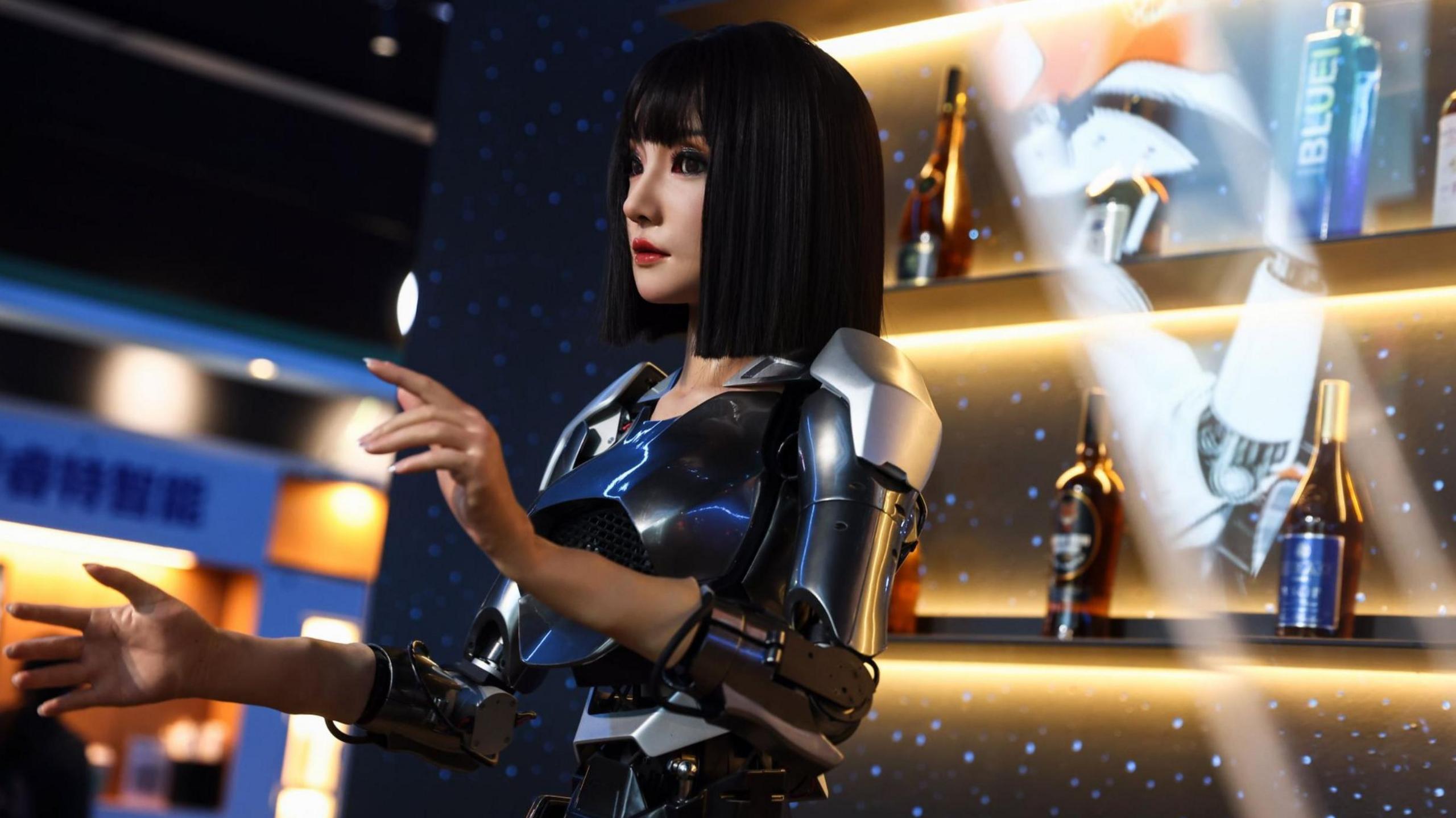
A groundbreaking retail establishment in China has begun offering sophisticated humanoid robots directly to consumers, marking a significant milestone in personal robotics technology. The new store showcases remarkably lifelike machines capable of performing various domestic and social functions, bringing science fiction concepts into the realm of everyday reality.
The robots represent the latest achievements in artificial intelligence, mechanical engineering, and materials science. Standing approximately human-sized, these machines feature realistic facial expressions, fluid movements, and natural speech patterns that blur the line between machine and human interaction. Customers can observe demonstrations of the robots performing household tasks, providing companionship, and even engaging in basic conversations.
Industry experts observe that this product launch marks a significant step forward in making robotics more accessible. Earlier versions of humanoid robots were generally restricted to academic research environments, factory settings, or niche service positions. The fact that these advanced models are now available to individual consumers indicates that this technology has hit a new level of dependability and cost-effectiveness.
The robots integrate a variety of state-of-the-art technologies. Modern actuators facilitate smooth, human-like movements, and the machine learning algorithms permit personalized interactions that adjust according to user preferences over time. High-definition cameras and advanced sensors offer environmental perception, allowing the robots to move through homes and react suitably to different scenarios.
Pricing frameworks differ greatly depending on features, with entry-level models beginning at prices similar to a luxury car, while top-tier versions can cost as much as exclusive sports cars. The shop provides financing plans and personalization bundles, enabling customers to choose particular abilities and temperament characteristics for their robotic partners.
Potential uses showcased at the facility cover support for elderly people, tutoring children, household tasks, and protecting homes. Certain models are designed for specific activities, such as meal preparation or tidying up, whereas others function as versatile helpers. The establishment highlights that every robot is equipped with privacy protections and is capable of working offline for tasks that require discretion.
This commercial debut follows years of development in China’s robotics sector, which has benefited from substantial government support and private investment. The country’s manufacturing capabilities and growing expertise in artificial intelligence have converged to produce these remarkably advanced machines. Industry observers suggest this retail initiative aims to accelerate real-world testing and refinement of humanoid robotics through widespread consumer adoption.
Ethical issues regarding human-robot interactions and possible job loss have arisen alongside technological advancements. The store tackles these issues by highlighting the role of robots as aides to human work rather than substitutes, especially for jobs that are hazardous, monotonous, or experience a lack of workforce.
International reaction to the development has been mixed, with some experts praising the technological achievement while others caution about potential social implications. Privacy advocates have questioned data collection practices, though the manufacturer claims all personal information remains securely stored and encrypted within the robot unless explicitly shared by the owner.
The retail concept includes comprehensive training programs for buyers, ensuring proper setup and maintenance of the sophisticated machines. Service packages cover regular software updates, hardware maintenance, and technical support—acknowledging that such advanced technology requires ongoing care similar to high-end automobiles.
As the store launches its activities, technology lovers and intrigued shoppers are gathering to engage with the machines. Initial feedback from customers shows a notable fascination with models designed to offer companionship to seniors and support parents with child-rearing duties. The financial success of this business might influence the speed at which humanoid robots evolve from being novelty gadgets to everyday home devices.
Este avance marca un punto de inflexión en la robótica de consumo, quizás anunciando una nueva era en la que seres artificiales avanzados formen parte de la vida cotidiana. A medida que la tecnología sigue progresando, las futuras versiones prometen capacidades aún mayores, generando preguntas profundas sobre la relación en evolución entre humanos y máquinas en entornos domésticos.
The launch of the shop aligns with the increasing worldwide fascination with personal robotics, indicating that China might be establishing itself as a front-runner in this up-and-coming market. The extent to which these realistic machines will gain broad acceptance or stay as niche items hinges on various elements, such as cost reductions, advancements in functionality, and cultural acceptance—all of which will become more evident as additional units make their way into households in the upcoming months.
At present, the retail store serves as a concrete representation of swift advancements in robotics, providing individuals with an unmatched chance to integrate state-of-the-art artificial intelligence into their daily routines. The future societal implications of this technology are yet to be understood; however, its presence in the market signifies an important move towards a future filled with robots once envisioned solely in science fiction.