In recent years, buying groceries has evolved from a simple task into a complex budgeting challenge for numerous families. Fluctuations in food prices have led people to alter their purchasing behaviors, reassess their priorities, and look for cost-effective options. Although costs generally vary due to expected reasons like seasonal changes or logistics expenses, recent worldwide incidents, financial stress, and changing demand have greatly unsettled this previously steady activity. Grasping the trends in grocery prices aids in personal financial planning and uncovers broader patterns in food systems and economic well-being.
A shift in consumer behavior
Inflation has significantly influenced consumer behavior regarding grocery shopping. Nowadays, many people are not simply buying items based on their preferences or brand loyalty. They are increasingly price-conscious. Customers are more carefully evaluating unit prices, considering generic brands, and looking into other store options. For some, this leads to shopping at wholesale or discount stores. For others, it involves altering their eating habits by choosing ingredients that provide more value per portion.
This behavioral change also highlights an important trend: shoppers are becoming more informed. Price tracking, whether mentally or with the aid of apps, is no longer reserved for coupon clippers. It’s now a widespread practice, helping families make real-time decisions about how to stretch their grocery budget without sacrificing nutrition or quality.
Volatile categories and steady staples
Not all food items have experienced the same degree of price fluctuation. Some categories have remained relatively stable, while others have surged or dipped depending on external conditions. Fresh produce, for example, is highly sensitive to weather patterns, transportation costs, and labor availability. A drought or flood in one region can ripple through supply chains and cause sudden price spikes in grocery aisles thousands of miles away.
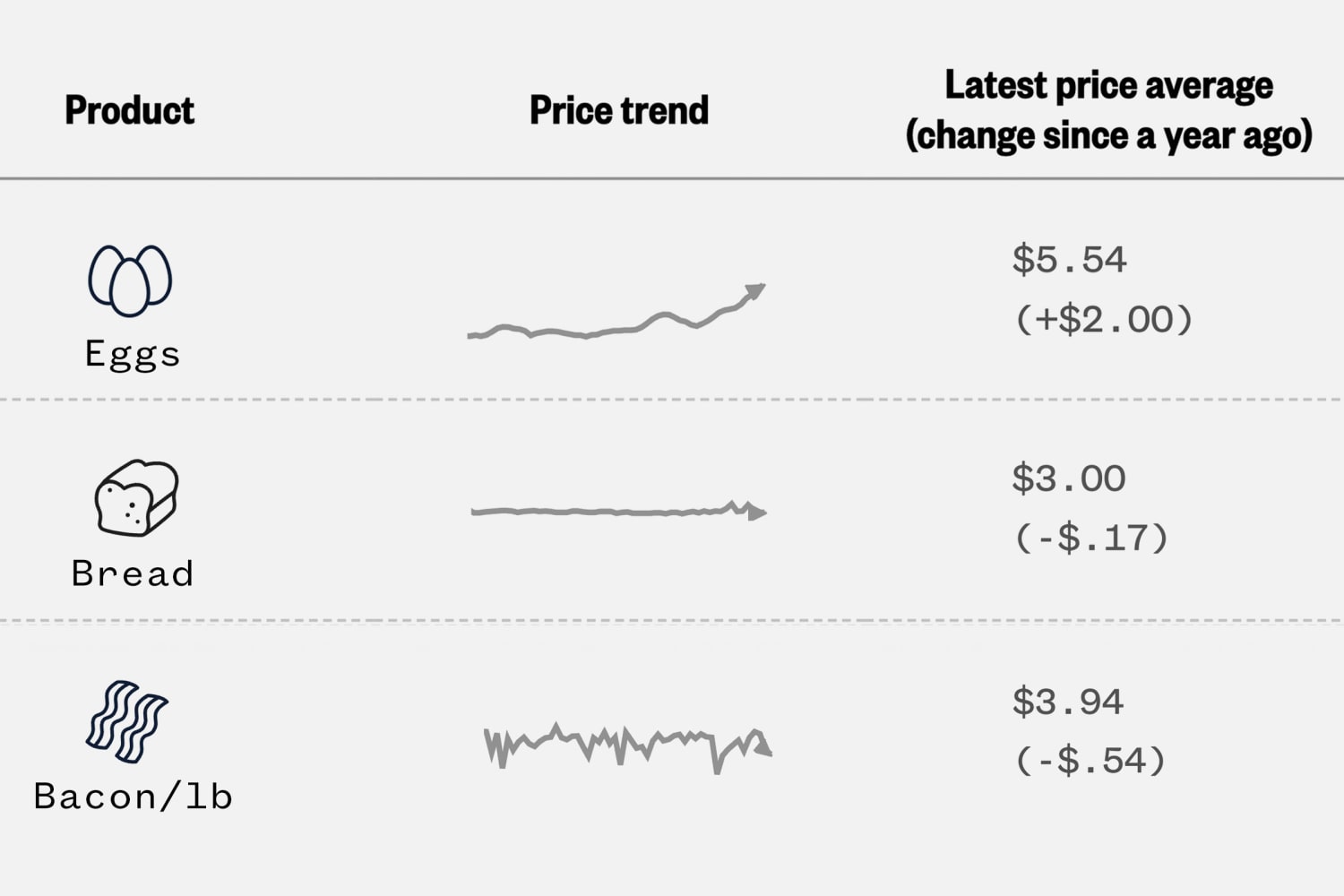
Meat and dairy, two staples in many households, have also faced volatility. Factors such as feed costs, processing bottlenecks, and international trade policies influence the price consumers see at the store. Eggs, once a stable and affordable source of protein, experienced drastic changes in price due to disease outbreaks among poultry flocks and shifts in demand from food service sectors.
Conversely, products such as rice, beans, and pasta have stayed fairly inexpensive and easy to find. These items often have extended shelf lives and depend less on intricate supply chains. Their stability has encouraged numerous consumers to include these basic foods back into their meal plans, especially as prices for fresh meat or imported items keep varying.
The impact of international events
Geopolitical tension, pandemic-related disruptions, and extreme weather events have all had a ripple effect on food systems. A conflict in a grain-producing region, for instance, can limit exports and send prices soaring across global markets. Meanwhile, transportation costs tied to fuel prices can make imported goods significantly more expensive for retailers and, ultimately, for consumers.
The COVID-19 pandemic showcased how vulnerable global supply chains are. From labor shortages at meatpacking plants to shipping delays at major ports, the effects were seen at nearly every point in the food journey—from farm to shelf. While some of these disruptions have eased, their impact continues to affect production cycles and pricing models.
Moreover, climate change has introduced a new layer of unpredictability. Unseasonable weather patterns, more frequent natural disasters, and shifting growing zones have made crop yields more uncertain, directly affecting pricing trends.
How packaging and processing affect pricing
It’s not just the raw ingredient costs that drive grocery prices. Packaging, branding, and processing also contribute to the final price consumers pay. A simple comparison between whole vegetables and pre-cut, packaged versions shows how convenience often comes at a premium. Similarly, organic or sustainably sourced products tend to carry higher price tags due to the additional resources required in their production.
Rising costs in manufacturing materials—such as plastics, glass, and aluminum—have also impacted the packaging side of grocery goods. Companies facing increased expenses in these areas must decide whether to absorb the cost or pass it on to the consumer. In many cases, the result is smaller packages for the same price—a phenomenon known as shrinkflation.
Shrinkflation and consumer perception
Shrinkflation takes place when businesses decrease the amount of product inside a package yet keep the price unchanged. This discrete tactic, applied from bags of snacks to cereal packages, enables companies to control manufacturing expenses without openly raising prices. Nevertheless, as shoppers become more conscious of value, there is an increasing doubt surrounding shrinkflation.
While shrinkflation may seem like a cost-saving move for producers, it can erode consumer trust, especially when the change is not clearly communicated. Over time, shoppers may choose to switch to competitors or abandon certain products altogether if they feel they are no longer getting their money’s worth.
Online resources and financial planning
To adapt to ongoing price shifts, many consumers are turning to digital tools. Grocery apps, price comparison platforms, and budgeting software allow users to track fluctuations, find discounts, and set spending goals. These tools have empowered shoppers to shop smarter, plan meals more efficiently, and minimize waste.
Besides digital solutions, an increasing number of consumers are turning to meal preparation and bulk cooking to handle their costs. By cooking meals in advance and utilizing common ingredients in different recipes, families can minimize waste and decrease unexpected shopping visits, both of which assist in managing total expenditures.
Long-term impact and consumer empowerment
While grocery prices may continue to shift due to various economic and environmental factors, today’s consumers are better equipped than ever to respond. Price awareness is now part of everyday life. People are asking more questions: Where does this food come from? Why is it priced this way? Can I find a better alternative?
These queries indicate a wider cultural trend towards purposeful expenditure. Be it purchasing in large quantities, establishing a garden at home, participating in a community-supported agriculture initiative, or merely scrutinizing food labels more attentively, consumers are regaining authority in a changing marketplace.
The long-term result may be a more resilient and informed consumer base. With knowledge comes power, and as more individuals and families track grocery price trends, they’re not just protecting their budgets—they’re shaping the market through their choices.
Understanding how and why grocery prices change is essential for anyone looking to manage their household expenses more effectively. From supply chain issues to consumer behavior and digital innovation, a wide range of factors contribute to what ends up in your shopping cart—and how much it costs. By staying informed, adopting smart shopping habits, and making intentional decisions, consumers can navigate grocery price trends with confidence and resilience.