

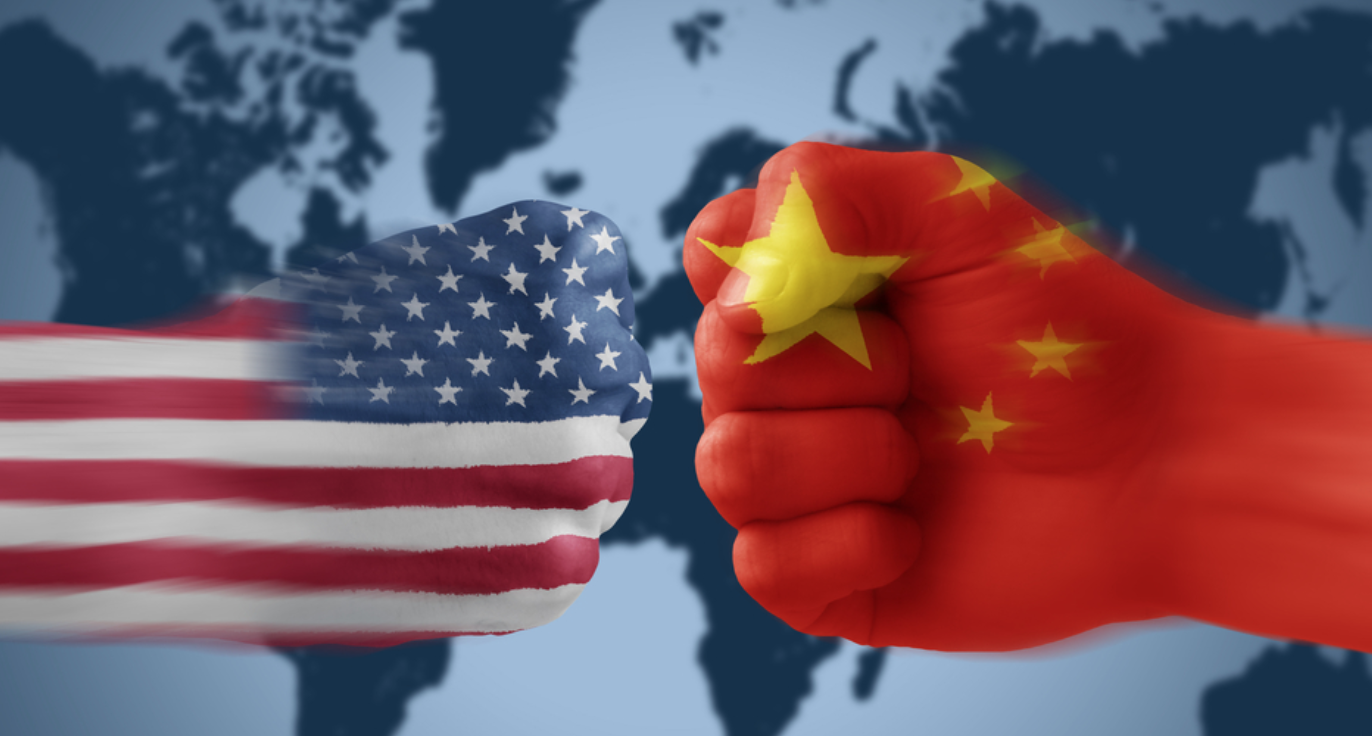
The economic landscape across Asia is experiencing heightened uncertainty following the latest wave of tariff threats from former U.S. President Donald Trump. The aggressive stance on trade, which has long been a hallmark of Trump’s economic policy, is once again casting a shadow over international markets, supply chains, and diplomatic relations. As tensions rise, observers are questioning whether any party truly stands to benefit from this escalating trade friction.
Central to the issue is Trump’s revived emphasis on implementing tariffs to tackle what he views as disparities in the global trade framework. Specifically, Asian economies—numerous of which have developed their growth plans around export-oriented models—are now facing the possibility of encountering new trade obstacles. The repercussions are being experienced not only in China, a major focus of previous tariff implementations, but also in countries like South Korea, Japan, Vietnam, and others whose economies are deeply linked with both Chinese production and U.S. consumer industries.
The proposed tariffs are part of a broader narrative that Trump has championed since his first presidential campaign: the idea that the United States has been disadvantaged by unfair trade practices and that protective measures are necessary to restore balance. While this message has resonated with segments of the American public, particularly in manufacturing regions hit by industrial decline, its global repercussions have been far-reaching and complex.
Asian markets have responded with understandable apprehension. Many economies in the region are heavily reliant on exports to the United States, not just for manufactured goods but also for agricultural products, electronics, textiles, and automotive parts. The threat of increased tariffs has prompted concerns about reduced competitiveness, potential job losses, and slowing economic growth.
The situation is especially challenging for China, as it has often been at the heart of trade conflicts with the United States. Even though Beijing has made efforts to broaden its trade partnerships and boost internal consumption, the U.S. continues to be one of its major export destinations. A resumption of trade tensions could threaten the delicate economic recovery initiatives following recent global turmoil.
Other Asian countries, including Vietnam, Malaysia, and India, that have established themselves as alternative centers for manufacturing, also encounter a complex balancing act. On one side, they could benefit from companies moving their supply chains away from China to bypass tariffs. On the flip side, if tariffs are widely applied or global demand decreases, these countries might experience negative effects due to a more extensive economic downturn.
The financial markets have mirrored this rising concern. Asian stock indices have displayed heightened instability, as investors remain cautious about the possibility of interrupted supply chains and decreased company profits. Currency swings have also grown more pronounced as traders evaluate the effects of possible trade limitations on local economies.
In addition to economic consequences, the political ramifications are significant. Countries in Asia have long relied on stable trade relationships to support their development. The unpredictability of U.S. trade policy under Trump’s approach raises questions about the reliability of the global economic order that has been in place for decades. This has prompted some nations to accelerate efforts to strengthen regional trade agreements, such as the Regional Comprehensive Economic Partnership (RCEP), in hopes of reducing dependence on Western markets.
Although the situation is chaotic, evident “victors” are scarce in this context. A few sectors within the U.S. could benefit briefly from heightened protectionism, yet these benefits are frequently counterbalanced by increased costs for consumers and retaliatory actions from impacted nations. For example, American farmers have faced reduced export opportunities when foreign governments implemented counter-tariffs on farm goods due to U.S. policies.
In a similar fashion, Asian economies gaining from shifts in supply chains might face long-term unpredictability following short-lived advantages. Businesses hesitate to pour significant resources into new plants if trade regulations keep shifting with political changes. Additionally, the interlinked nature of today’s supply chains indicates that disturbances in one area can trigger global effects, impacting manufacturing, costs, and jobs well beyond the initial point of disruption.
The scenario further highlights the ongoing discussion about globalization and balancing national priorities with global collaboration. Trump’s tariff approach illustrates a wider movement towards economic nationalism that has been gaining popularity in several nations. Opponents claim that although protectionist actions can offer political benefits at home, they frequently weaken the collaborative structures that have supported worldwide economic stability.
From an economic perspective, numerous specialists warn that bringing back strong tariff actions might hinder worldwide expansion during a period when several nations continue to recuperate from the impacts of the COVID-19 pandemic and current geopolitical unpredictabilities. With fluctuating energy costs, ongoing inflationary pressures, and inconsistent consumer demand, the possibility of fresh trade restrictions introduces additional complexity to an already tough economic setting.
The business community, both in Asia and elsewhere, has consistently advocated for stability and predictability in trade policy. Multinational companies that operate across borders require clear rules and minimal disruption to maintain profitability and protect jobs. The reemergence of tariff threats disrupts this stability, forcing companies to reconsider investment plans, supply chain strategies, and long-term growth projections.
Furthermore, it is important to take into account the social repercussions. In numerous Asian nations, industries focused on exporting products offer jobs to countless individuals, mainly in manufacturing fields such as electronics, textiles, and car components. Tariffs that diminish demand for exports might result in factories shutting down, increased unemployment, and social unrest. For governments in this area, this represents a significant issue that goes beyond financial matters to encompass social well-being and political steadiness.
The effect on the environment from changing supply chains is increasingly a worry. As producers look for different places to bypass tariffs, the growth of industrial operations into fresh areas might result in higher use of resources, harm to ecosystems, and obstacles to sustainable growth. These problems contribute another layer to the already intricate debate about international trade regulations.
While discussions about tariffs persist, certain analysts advocate for refreshing attempts at multilateral collaboration and improvements to international trade organizations. They highlight that although imperfections exist in the global trading framework, solutions tend to be more successful and lasting when achieved through dialogue and agreement rather than one-sided actions. Restoring confidence among trade allies and tackling fundamental challenges like intellectual property rights, labor norms, and environmental safeguards could lead to a more equitable and robust global economic system.
Meanwhile, Asian nations are actively seeking to manage this uncertain era by expanding economic collaborations, bolstering local development, and enhancing regional relationships. The capability to adjust to evolving global trends will be vital for sustaining stability and encouraging further progress against external challenges.
For the United States, the question remains whether a return to aggressive tariff policies would achieve the intended economic objectives or whether it would risk unintended consequences that could reverberate across both domestic and international landscapes. While tariffs can offer short-term protection for certain industries, they also have the potential to trigger inflation, disrupt supply chains, and strain diplomatic relations.
As global economies remain closely connected, the impact of any significant change in U.S. trade policy will inevitably extend far beyond American borders. For Asia, the stakes are high, and the coming months will be critical in determining how countries in the region respond to the shifting terrain of international commerce.
In the end, the inquiry into whether there are any real victors in a trade environment governed by tariffs remains unanswered. Although protectionism can seem attractive to political motivations, the sustainable health of the worldwide economy relies on unity, stability, and acknowledging that economic success is typically reached through partnerships rather than disputes.





.jpg "Understanding the legal requirements for offshore companies in Panama")
.jpg "Understanding the Panama pensionado visa process for US and Canadian retirees")